The Role of Site Work in a Successful Construction Project
November 17, 2025

Before any structure begins to rise, there’s an essential process that sets the tone for the entire project — site work. Site work involves preparing the land to ensure it’s safe, stable, and ready to support a building’s design and long-term integrity. From clearing trees and grading land to installing drainage and utilities, proper site work forms the foundation upon which every successful construction project stands. Without it, even the best architectural plans can fail due to poor groundwork and unforeseen land-related challenges.
Site work is far more than just moving dirt around — it’s a strategic phase that determines the efficiency, safety, and longevity of any construction project. This stage involves a comprehensive evaluation of the land, ensuring that every potential issue is addressed before actual construction begins.
1. Land Clearing and Grading
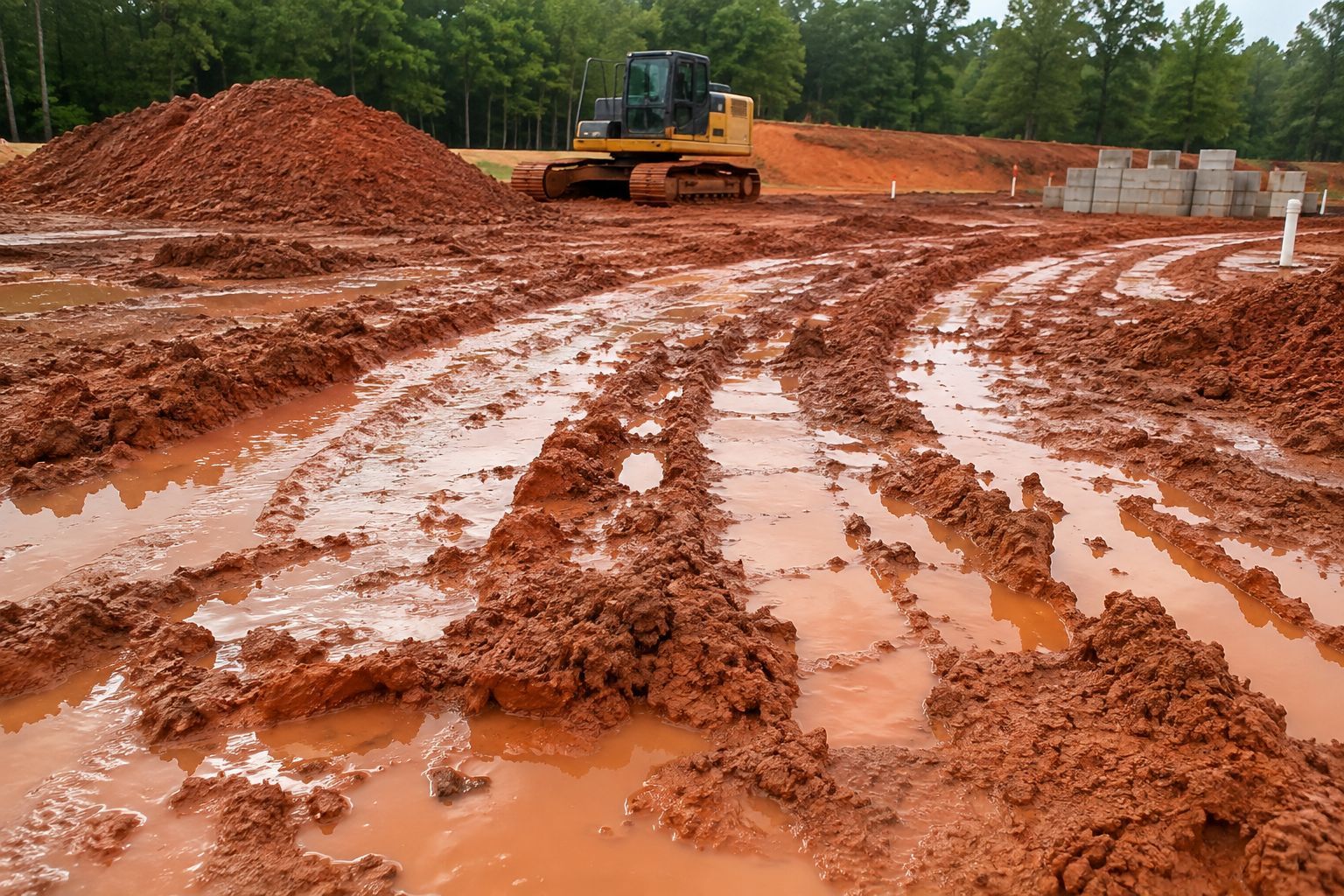
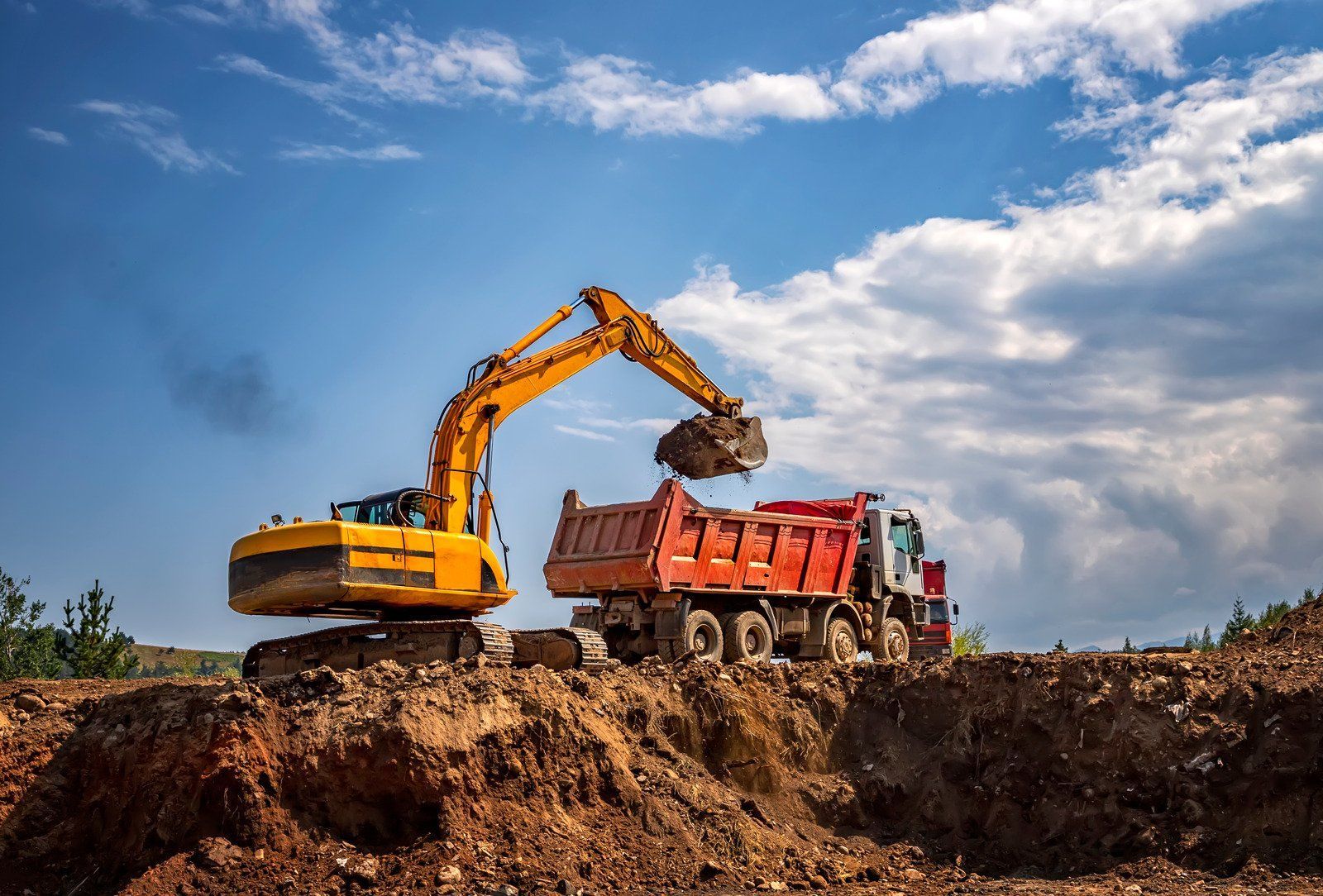
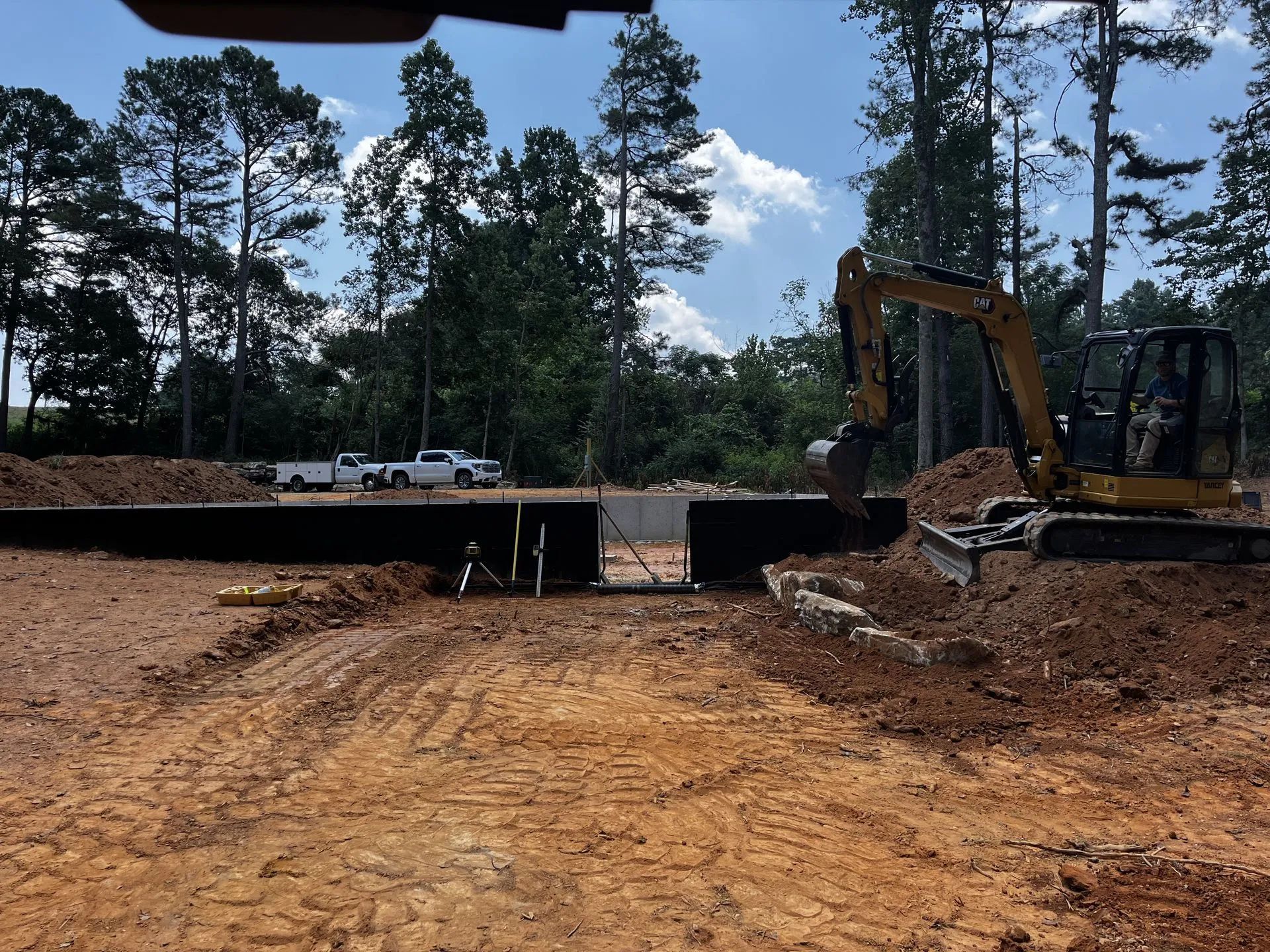
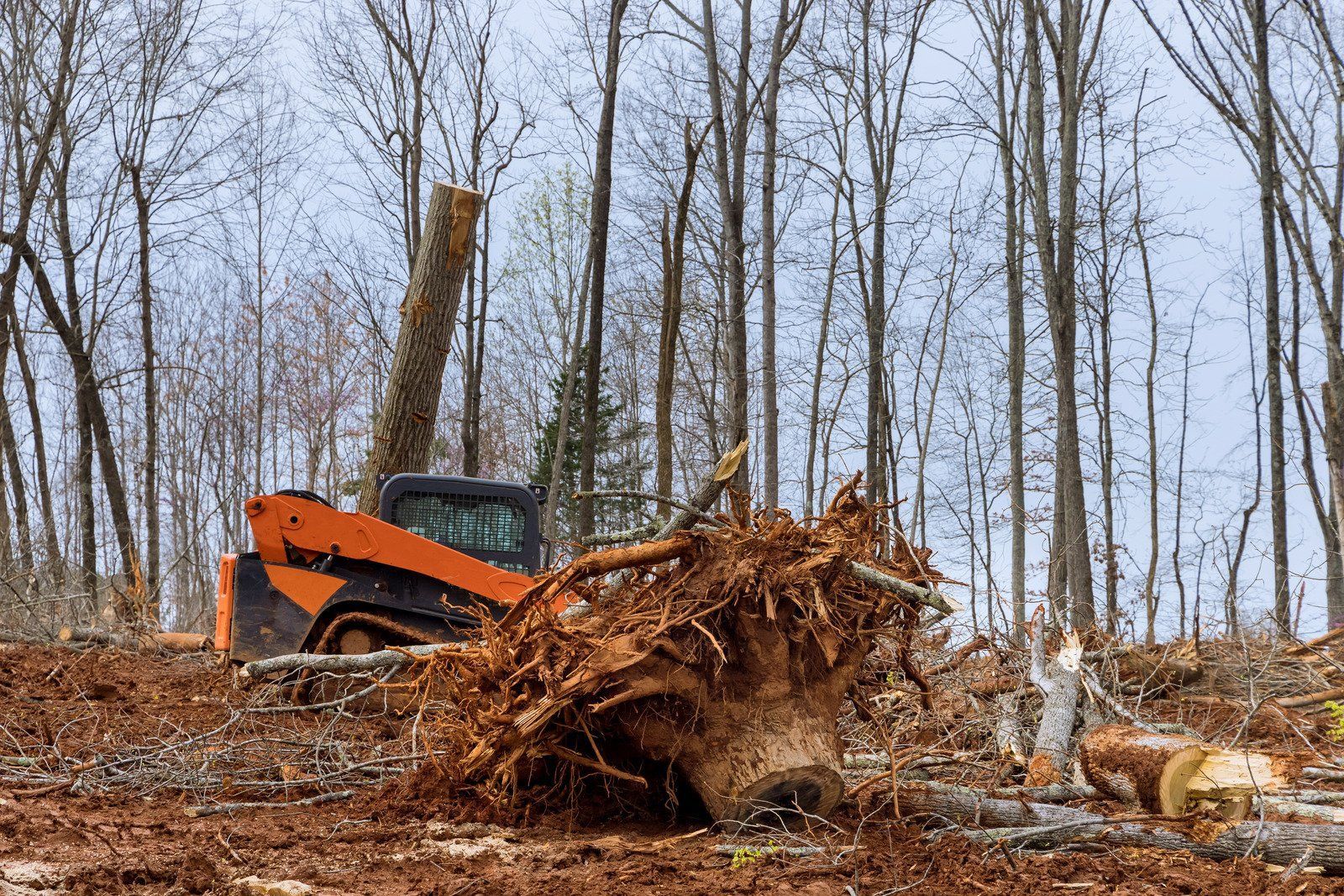
The first step of site work typically includes clearing vegetation, rocks, and debris to make the area accessible for construction. Grading follows, which ensures the land is level or sloped appropriately for drainage. In Gainesville, Georgia, where the terrain can vary from rolling hills to low-lying areas, precise grading is essential to prevent erosion and manage stormwater effectively.
2. Soil Testing and Stabilization
Understanding soil composition is critical. Weak or unstable soil can lead to foundational shifts and costly structural damage later. Through professional soil testing, site work experts determine whether stabilization methods — such as compaction or soil replacement — are necessary to enhance the land’s load-bearing capacity.
3. Utility Installation and Drainage Systems
Site work also encompasses the installation of underground utilities, including water, gas, and electrical lines. Proper planning and execution ensure that these systems function efficiently without interfering with future construction phases. Equally important are well-designed drainage systems, which protect both the structure and surrounding environment from flooding and water damage — a significant consideration in Georgia’s humid climate.
4. Roadways, Access Points, and Erosion Control
A comprehensive site work plan includes creating temporary or permanent access roads for equipment and materials. Erosion control measures — such as silt fences, retaining walls, and vegetation buffers — are implemented to maintain site stability throughout the building process. These steps not only comply with local environmental regulations but also demonstrate a commitment to sustainable construction practices.
5. The Importance of Experienced Site Work Professionals
The complexity of site work demands a team with local knowledge and technical expertise. Professionals who understand the soil conditions, weather patterns, and regional construction codes — like those in Gainesville — can anticipate challenges and provide effective solutions. Skipping or underestimating this phase can result in costly rework, delays, and compromised structural safety down the line.
Building Georgia’s Future with Precision and Integrity
A successful construction project begins long before the first wall is raised — it starts with expert site work that ensures everything built above ground stands strong for years to come. Georgia Land Pros, based in Gainesville, Georgia, brings over 5
years of dedicated experience in professional land preparation and development services. With a focus on precision grading, erosion control, and complete
site preparation, the team ensures each project is executed with quality, safety, and reliability in mind. Whether it’s a residential, commercial, or large-scale development, Georgia Land Pros
continues to shape the foundation of successful builds across North Georgia — one site at a time.