What Is Excavation and Why It’s the First Step in Any Construction Project?
April 17, 2026
Construction projects, regardless of scale or purpose, begin long before any visible structure takes shape. The earliest and most critical phase is excavation, a process that involves the controlled removal of soil, rock, and other materials to prepare a site for building. Without proper excavation, structural stability, drainage efficiency, and long-term durability of a project can all be compromised. It is the foundation upon which every successful construction effort is built.
In modern construction planning, excavation is not just about digging ground; it represents precision engineering, site analysis, and risk management combined. From residential homes and commercial complexes to roads and industrial facilities, excavation ensures that the land is properly shaped, leveled, and stabilized before construction begins. It directly influences safety, cost efficiency, and structural integrity, making it an indispensable first step in any development process.
Understanding excavation helps project owners and contractors make informed decisions about timelines, budgets, and construction methods. It also reduces unexpected delays caused by soil instability or improper site preparation. This blog explores excavation in detail, its importance in construction workflows, the techniques involved, and the best practices that ensure successful project execution from the ground up.
Understanding Excavation in Construction Projects
What Excavation Actually Means
Excavation refers to the systematic removal of earth materials to create a stable base for construction. It includes digging, trenching, leveling, and grading to achieve the required depth and shape of a site. This process is essential for laying foundations, installing utilities, and ensuring proper site alignment.
Excavation is not random digging; it follows engineered plans based on soil testing, architectural drawings, and structural load requirements. Every cut and fill is calculated to maintain balance and safety.
Types of Excavation Work
Different construction needs require different excavation approaches:
- Topsoil Excavation: Removal of surface soil to reach stable ground
- Earth Excavation: Digging deeper layers for foundations and basements
- Rock Excavation: Breaking and removing hard rock using specialized equipment
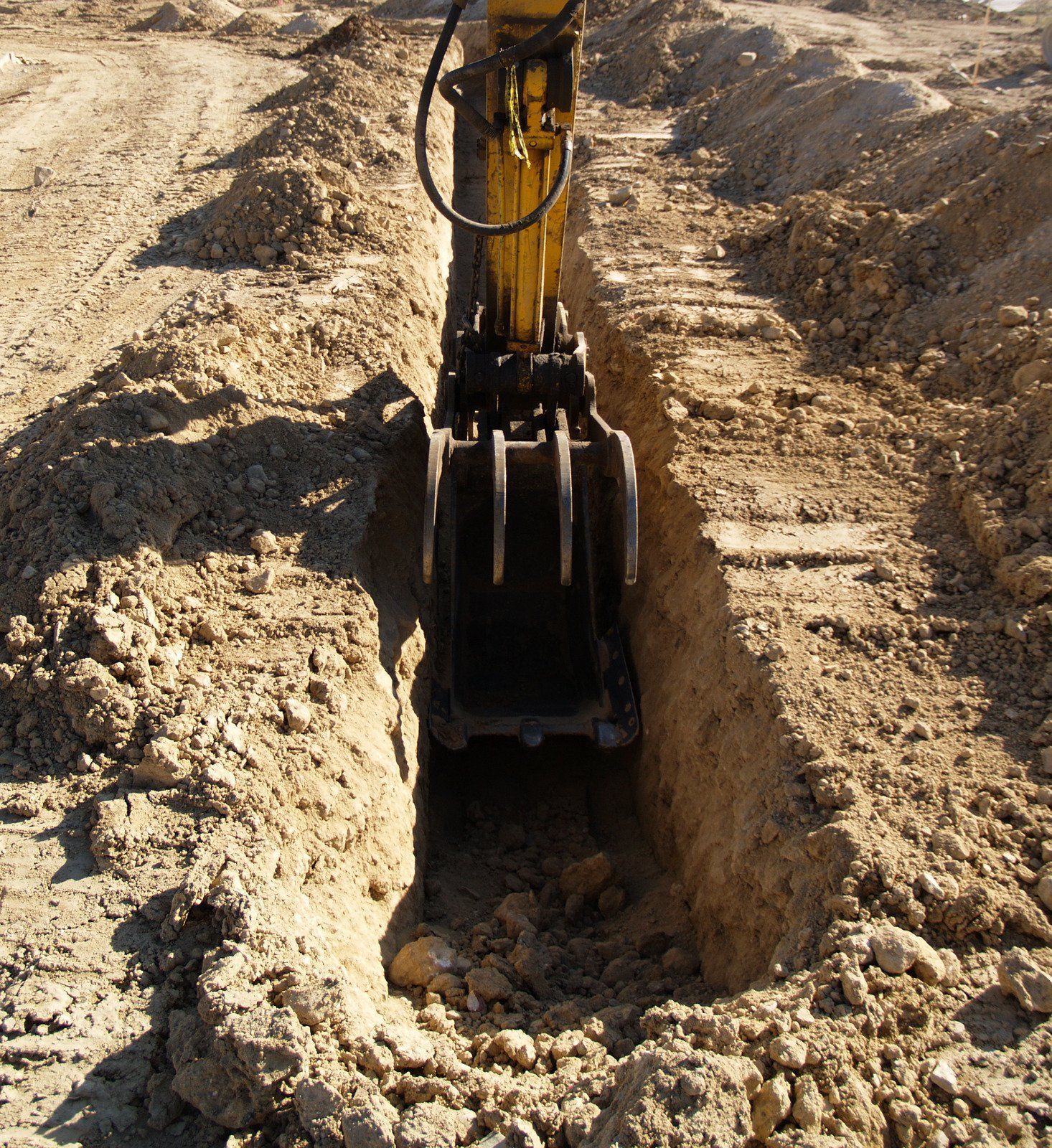
- Trench Excavation: Creating narrow channels for pipelines and utilities
- Cut and Fill Excavation: Balancing soil removal and replacement for leveling
Each type plays a specific role depending on project requirements and ground conditions.
Role in Construction Planning
Excavation is integrated into the earliest planning stages. Site surveys determine soil composition, water tables, and load-bearing capacity. This data guides excavation depth, slope design, and machinery selection. Proper planning prevents structural issues such as foundation shifting, flooding, or uneven settlement.
Why Excavation Is the First Critical Step
Establishing a Stable Foundation Base
Every structure relies on the strength of its foundation. Excavation ensures that weak or unstable soil is removed and replaced with engineered fill or compacted material. Without this step, buildings risk uneven settlement, cracking, or long-term structural failure that can compromise overall building integrity and occupant safety significantly.
A properly excavated site distributes load evenly across the foundation, increasing durability and safety while also improving long-term structural performance and resilience against environmental stress.
Improving Drainage and Water Management
Water is one of the biggest threats to construction stability. Excavation helps shape the land to direct water away from structures. It also allows installation of drainage systems that prevent water accumulation beneath foundations and reduces hydrostatic pressure that can weaken structural components over time.
Proper grading during excavation reduces risks of flooding, erosion, and moisture damage while ensuring effective surface runoff and long-term site protection efficiency.
Ensuring Accurate Site Dimensions
Construction accuracy begins with excavation. Site boundaries, foundation depths, and structural layouts are marked and executed during this phase. Any miscalculation here affects the entire construction process leading to significant structural misalignment and increased corrective expenses later on.
Precise excavation ensures that structures align correctly with architectural plans, reducing costly rework later and maintaining strict compliance with engineering design specifications throughout the project lifecycle.
Supporting Utility Installation
Underground utilities such as water lines, electrical conduits, and sewage systems require carefully dug trenches. Excavation provides safe and organized pathways for these installations ensuring proper depth, alignment, and long-term accessibility for maintenance work.
Without proper trenching, utilities may suffer from damage, leakage, or inefficient routing resulting in service disruptions, repair complications, and increased operational costs in future maintenance.
Excavation Methods and Equipment Used
Mechanical Excavation Techniques
Modern construction heavily relies on machinery to improve speed and precision:
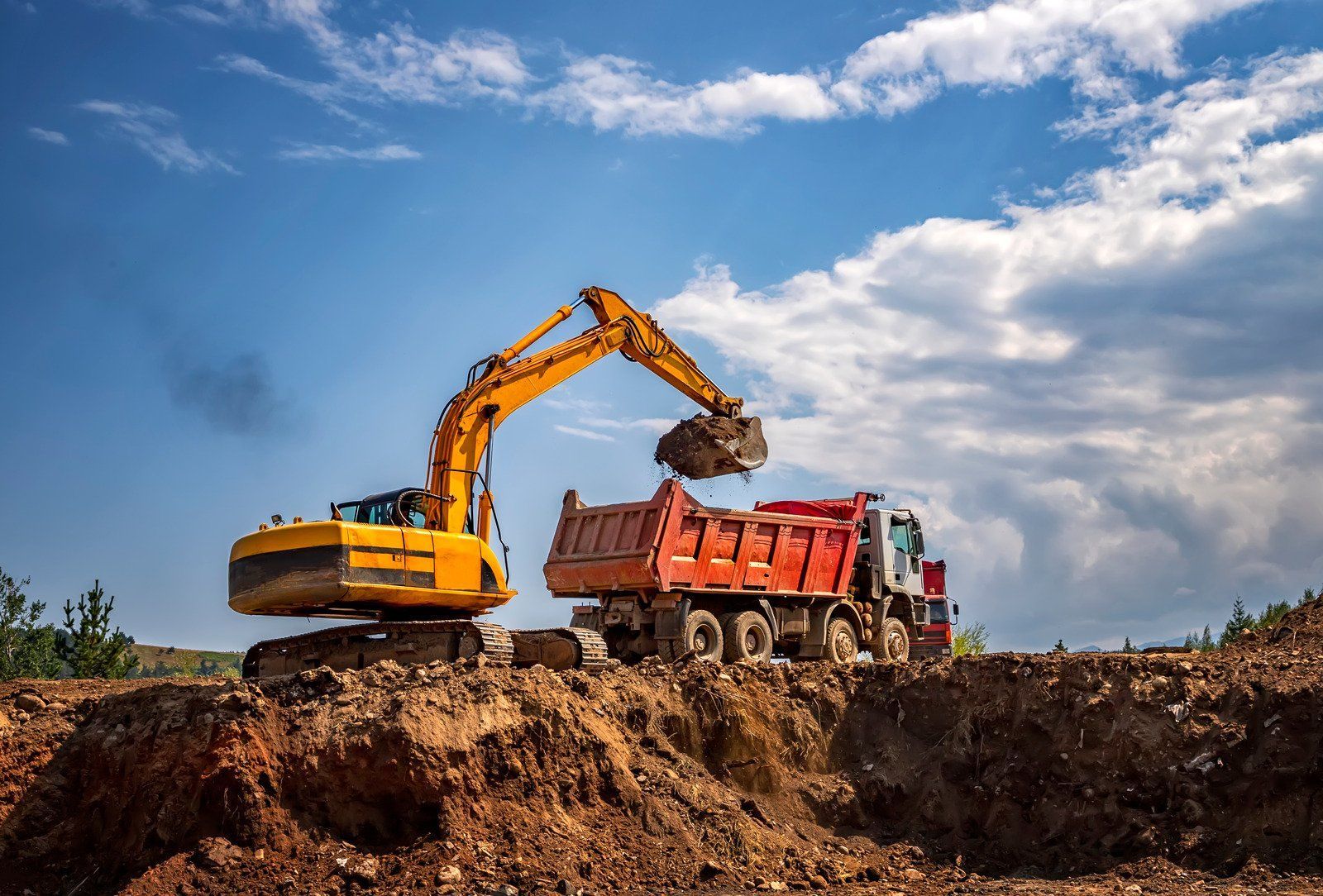
- Excavators: Used for large-scale digging and material removal
- Backhoes: Ideal for smaller trenches and utility work
- Bulldozers: Assist in pushing and leveling soil
- Skid Steer Loaders: Provide flexibility in tight spaces
These machines reduce manual labor while improving accuracy and safety.
Manual Excavation Applications
Although less common in large projects, manual excavation is still used in:
- Confined spaces where machinery cannot operate
- Sensitive areas requiring precision
- Small residential landscaping projects
Manual methods provide control but require more time and labor.
Soil Testing and Site Analysis
Before excavation begins, soil testing determines:
- Soil strength and composition
- Moisture levels
- Load-bearing capacity
- Presence of rock or organic material
This analysis ensures the right excavation method is chosen, reducing risks during construction.
Safety Measures During Excavation
Excavation involves significant risks such as cave-ins, equipment accidents, and underground utility damage. Safety protocols include:
- Shoring and trench supports
- Utility mapping before digging
- Protective barriers around excavation sites
- Regular inspection of soil stability
Following safety standards ensures worker protection and project continuity.
Challenges Faced During Excavation Work
Unstable Soil Conditions
Soil instability is one of the most common challenges. Soil instability is one of the most common challenges. Loose, sandy, or clay-heavy soil can collapse during excavation. This requires reinforcement techniques such as shoring or soil stabilization methods to ensure worker safety and structural integrity at all times.
Proper geotechnical assessment helps reduce this risk by identifying soil behavior and recommending appropriate excavation support systems early on.
Weather and Environmental Factors
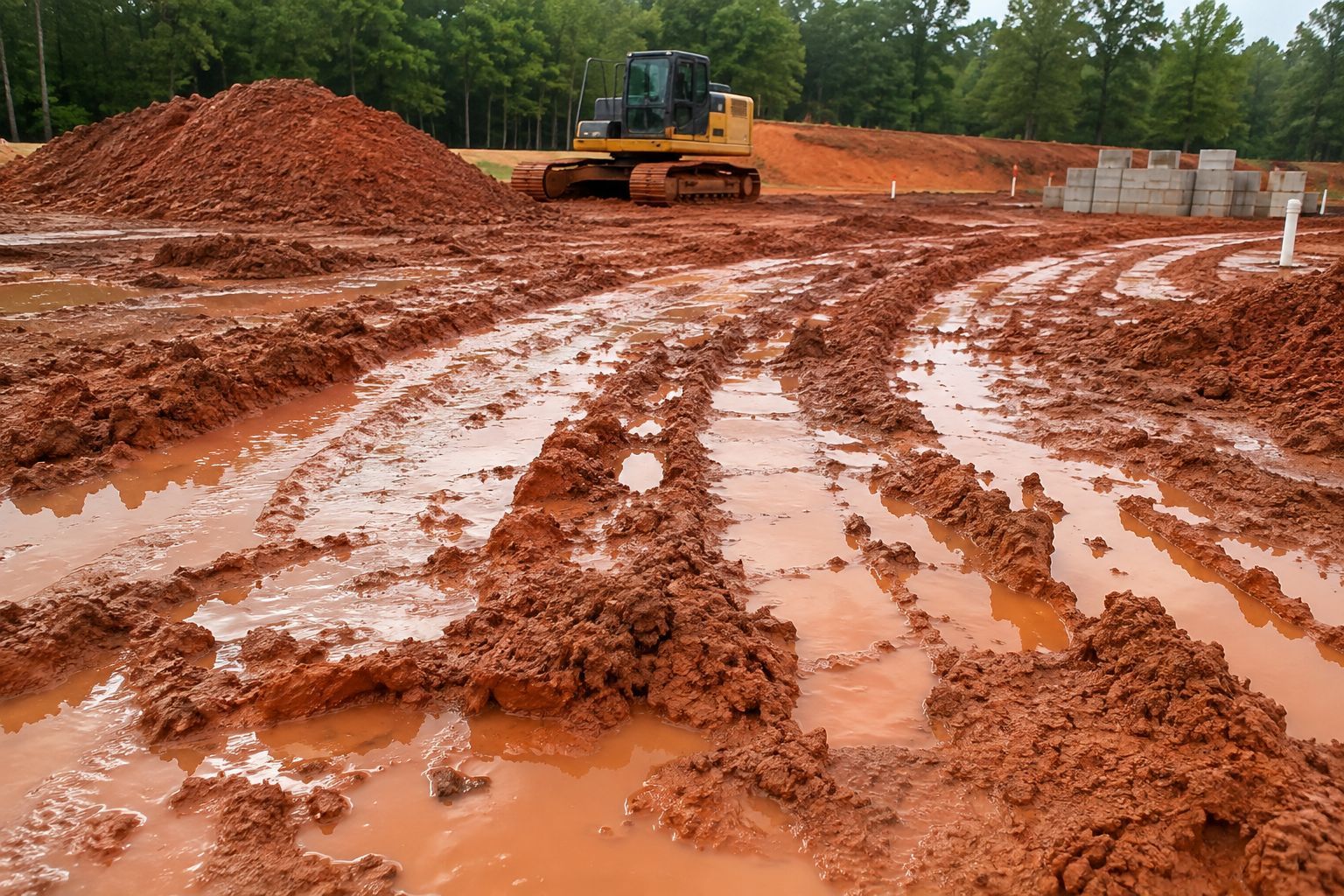
Rain, flooding, and extreme heat can delay excavation work. Wet soil becomes difficult to handle and may compromise trench stability. Dry conditions, on the other hand, can create dust and equipment wear leading to reduced visibility and increased machinery maintenance requirements overall.
Planning excavation schedules around weather conditions improves efficiency and minimizes downtime while ensuring safer and more controlled site operations.
Underground Obstructions
Hidden rocks, old foundations, and utility lines can disrupt excavation progress. Unexpected obstructions increase project costs and timelines often requiring redesign or additional specialized removal equipment and labor efforts.
Pre-construction surveys and utility mapping help minimize these surprises by providing accurate subsurface data before excavation activities begin on site.
Equipment and Operational Limitations
Heavy machinery requires skilled operators and proper maintenance. Equipment failure or misuse can lead to delays and safety hazards potentially causing project downtime and increased operational expenses for contractors involved.
Regular inspections and trained operators are essential for smooth operations ensuring consistent performance, safety compliance, and reduced risk of mechanical breakdowns during work.
Best Practices for Effective Excavation
Detailed Site Evaluation Before Work Begins
A thorough site assessment ensures all risks are identified early. This includes soil testing, topographic surveys, and environmental studies. Proper evaluation reduces errors during excavation and improves overall project safety and efficiency outcomes.
Strategic Planning and Marking
Clear marking of boundaries, depths, and utility zones ensures precision. A well-defined excavation plan prevents unnecessary digging and material waste while ensuring smoother workflow and timely project completion.
Use of Advanced Machinery and Technology
Modern excavation benefits from GPS-guided equipment and laser leveling systems. These technologies enhance accuracy and reduce manual errors resulting in faster execution and improved site productivity overall.
Continuous Monitoring and Quality Control
Ongoing supervision ensures excavation remains aligned with design specifications. Regular checks help identify soil shifts, depth errors, or safety risks early thereby maintaining consistent quality and minimizing costly rework delays.
Focus on Environmental Responsibility
Responsible excavation includes proper soil disposal, erosion control, and minimal site disruption. Sustainable practices help preserve surrounding land and ecosystems supporting long-term environmental balance and regulatory compliance standards.
Expert Groundwork Solutions Delivering Reliable Construction Support
Excavation plays a foundational role in construction, ensuring every project begins with stability, precision, and safety. It shapes the land, prepares the base, and creates the conditions required for strong and durable structures. From soil removal and grading to drainage planning and utility installation, excavation directly influences the success of every construction phase that follows. Understanding its importance helps avoid costly errors and structural risks. Proper execution of excavation work also enhances efficiency, reduces delays, and supports long-term performance of built structures. It is not just an early step but a critical investment in the overall quality of any development project. When carried out with expertise and planning, excavation sets the tone for the entire construction lifecycle.
We at Georgia Land Pros
recognize the importance of precise excavation in every successful construction project. Based in Gainesville, Georgia, and backed by 5
years of hands-on experience, we focus on delivering dependable groundwork solutions that support residential and commercial development. Our approach emphasizes accuracy, safety, and long-term stability, ensuring each site is properly prepared before construction begins. We work closely with property owners, contractors, and developers to understand project requirements and execute excavation with precision-driven methods. From site clearing to grading and foundational preparation, our goal is to create a strong base that supports lasting structures. Every project is handled with attention to detail, modern equipment, and a commitment to reliability, making us a trusted partner in the construction process from the ground up.