Seasonal Lawn Care Tips for Georgia Property Owners
December 22, 2025
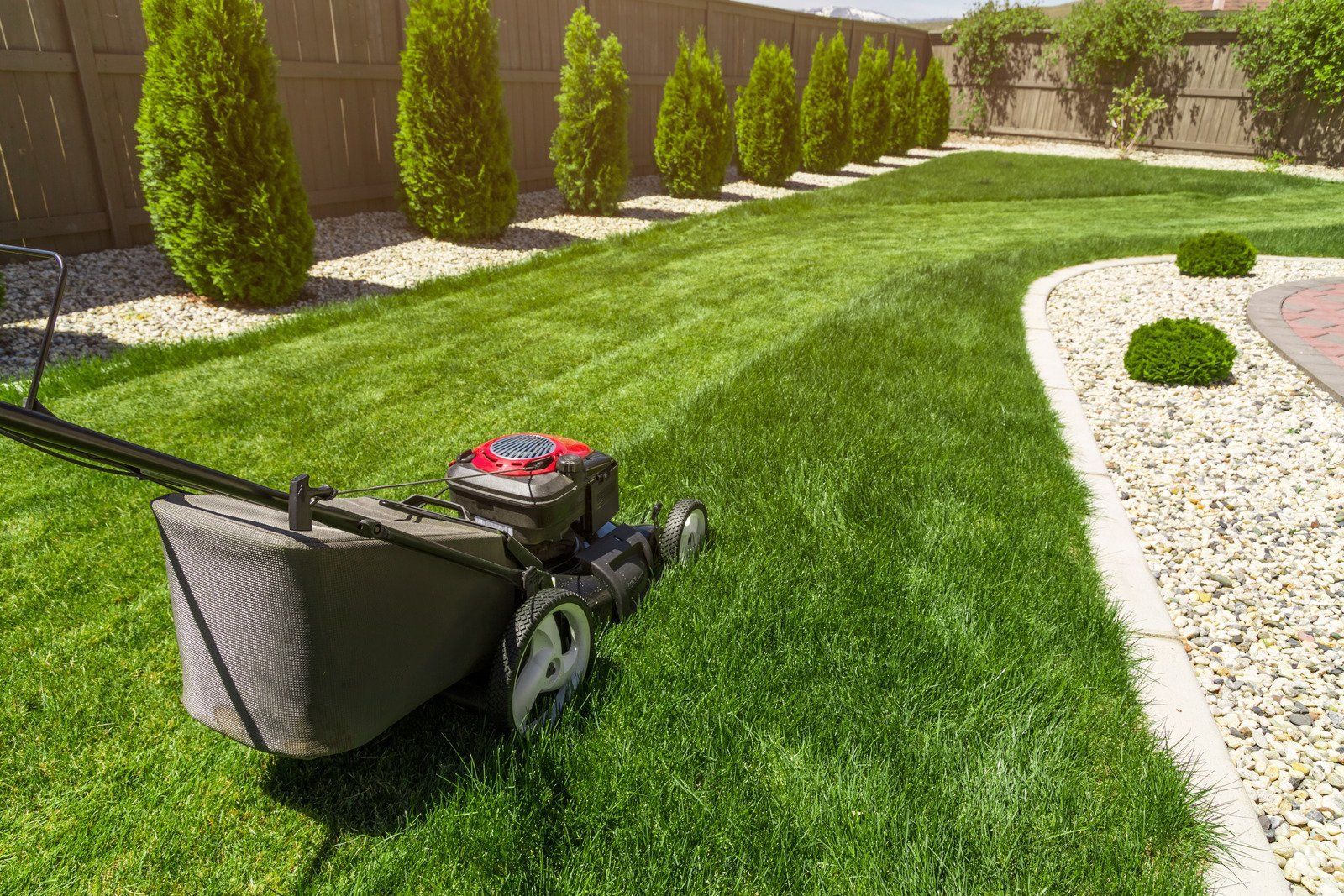
Maintaining a lush, vibrant lawn in Georgia presents unique challenges for property owners. The state’s subtropical climate, combined with its hot summers, mild winters, and unpredictable rainfall, requires a proactive, seasonally tailored approach to lawn care. Many homeowners overlook the importance of adjusting their lawn care practices throughout the year, leading to patchy grass, pest infestations, or weed overgrowth. Understanding how seasonal changes affect turf health is essential for creating and sustaining a beautiful, functional lawn.
In Georgia, lawns often consist of warm-season grasses such as Bermuda, Zoysia, and Centipede, each with specific requirements for sunlight, water, and nutrients. Proper timing of maintenance tasks, including fertilization, mowing, irrigation, and pest control, can significantly improve turf resilience and aesthetic appeal. Moreover, seasonal awareness helps homeowners prevent common lawn problems, saving time and money in the long run. This guide provides Georgia property owners with practical, actionable tips for each season, offering strategies to maximize lawn health, enhance curb appeal, and ensure a green, thriving outdoor space throughout the year.
Spring Lawn Care: Preparing for Growth
Early Spring Cleaning and Assessment
Before the grass begins its rapid spring growth, start by clearing debris such as leaves, twigs, and dead grass. Removing thatch buildup not only improves airflow but also allows sunlight and nutrients to penetrate the soil. Assess your lawn for winter damage, identifying areas with thin or dead grass, and mark them for reseeding.
Fertilization and Soil Preparation
Spring is the ideal time to apply a balanced fertilizer to jumpstart growth. Soil testing can determine nutrient deficiencies, allowing homeowners to choose the right fertilizer for their turf type. Incorporating compost or organic matter enhances soil structure and moisture retention, creating a healthier environment for emerging grass blades.
Weed Prevention Strategies
Early intervention is key to controlling weeds like crabgrass and dandelions. Pre-emergent herbicides applied before soil temperatures reach 55°F help prevent weed seeds from germinating. Combining chemical treatments with manual weed removal ensures long-term weed management without harming the grass.
Irrigation and Water Management
As temperatures rise, consistent watering becomes critical. Spring rainfall is often uneven, so supplemental irrigation may be necessary. Deep, infrequent watering encourages deep root growth, enhancing drought tolerance and overall lawn resilience.
Summer Lawn Care: Protecting Against Heat and Stress
Mowing Techniques for Hot Months
During Georgia’s hot summers, raising the mower blade by half an inch to one inch can reduce stress on grass. Taller grass shades the soil, minimizing evaporation and discouraging weed growth. Mow regularly but avoid cutting more than one-third of the grass blade at a time to prevent shock.
Efficient Watering Practices
Summer heat increases the risk of drought stress. Early morning watering reduces evaporation and allows leaves to dry before nightfall, preventing fungal diseases. Using soaker hoses or drip irrigation systems ensures water reaches the root zone efficiently without wasting resources.
Pest and Disease Monitoring
Warm, humid conditions create ideal breeding grounds for pests like chinch bugs and sod webworms. Regular inspection and early treatment are crucial to prevent infestations. Fungicides may be necessary to manage fungal diseases such as brown patch or dollar spot, particularly after heavy rainfall.
Mulching and Soil Health
Adding mulch around trees and garden beds helps conserve soil moisture and moderates temperature fluctuations. Organic mulch also improves soil fertility as it decomposes, reducing the need for frequent fertilization.
Fall Lawn Care: Strengthening for Winter
Overseeding and Lawn Repair
Fall is the optimal time to repair damaged areas and overseed thin lawns. Cooler temperatures and increased rainfall create ideal germination conditions. Choose grass varieties suited for Georgia’s climate to ensure successful establishment.
Fertilization for Root Development
Applying a slow-release fertilizer in fall promotes deep root growth, preparing the lawn to withstand winter dormancy and early spring growth. Focus on high-potassium fertilizers to enhance stress tolerance and improve overall turf strength.
Leaf Management
Falling leaves can smother grass, creating an environment conducive to mold and disease. Regularly rake or mulch leaves to maintain airflow and sunlight penetration. Mulching leaves with a mower is an effective, environmentally friendly option.
Pre-Winter Weed Control
Fall is another critical period for weed management. Applying a post-emergent herbicide helps eliminate persistent broadleaf weeds before winter dormancy, reducing competition for nutrients and improving spring lawn appearance.
Winter Lawn Care: Maintaining Dormant Lawns
Minimal Maintenance and Protection
Winter in Georgia is mild, but dormant grass still requires attention. Limit foot traffic on frozen or stressed lawns to prevent soil compaction and root damage. Avoid heavy fertilization or mowing during dormancy, as the grass will not actively grow.
Soil Aeration and Preparation
Winter is an excellent time to plan soil aeration for spring. Aerating reduces soil compaction, improves drainage, and enhances nutrient absorption, setting the stage for vigorous growth in warmer months.
Mulching and Frost Protection
Protect sensitive plants and grass edges with mulch to reduce temperature fluctuations. For areas prone to frost, consider using protective coverings to prevent winter burn. These measures minimize stress and ensure a smoother transition into spring growth.
Planning and Maintenance Scheduling
Use the winter months to schedule spring lawn care tasks. Planning fertilization, irrigation adjustments, and pest control programs ahead of time helps ensure timely and effective execution once warmer weather returns.
Year-Round Lawn Care Strategies for Georgia Homeowners
Soil Testing and Nutrient Management
Regular soil testing—at least once per year—allows property owners to monitor pH levels and nutrient deficiencies. Applying the correct fertilizers and amendments based on soil analysis ensures healthy growth, reduces chemical overuse, and improves sustainability.
Mowing Best Practices
Maintain a consistent mowing schedule tailored to grass type and seasonal growth patterns. Avoid cutting more than one-third of the grass blade in a single session, and periodically rotate mowing patterns to prevent soil compaction and promote uniform growth.
Water Conservation and Irrigation Efficiency
Implementing a smart irrigation system can optimize water use while maintaining lawn health. Water deeply but infrequently to encourage deep root systems, and adjust schedules based on rainfall, soil type, and seasonal needs.
Integrated Pest and Weed Management
Combining preventive and corrective strategies—such as proper mowing, fertilization, aeration, and targeted chemical treatments—reduces pest and weed pressures. Early detection and timely interventions prevent long-term damage and minimize lawn repair costs.
Seasonal Adjustments and Observations
Observe how your lawn responds to seasonal changes. Document growth patterns, pest activity, and watering needs to make informed adjustments. Being proactive rather than reactive enhances
long-term lawn health, reducing the need for intensive corrective measures.
Common Challenges and Expert Tips
Dealing with Extreme Weather
Georgia homeowners often face heavy rains, droughts, and occasional cold snaps. Installing proper drainage systems and choosing drought-tolerant grass varieties can mitigate weather-related stress.
Managing Soil Compaction
High-traffic areas, especially around driveways and walkways, often experience compaction. Regular aeration, combined with overseeding, alleviates this issue, ensuring consistent growth across the lawn.
Pest and Disease Resistance
Maintaining healthy, well-nourished grass strengthens its natural resistance to pests and diseases. Avoid overwatering or excessive fertilization, which can create conditions conducive to infestations or fungal outbreaks.
Budget-Friendly Lawn Care Solutions
Property owners can save costs by implementing preventive measures, such as proper mowing, fertilization, and irrigation, reducing the need for emergency interventions. Using organic fertilizers and DIY mulch techniques offers both environmental and financial benefits.
Sustainable Lawn Practices
Emphasizing Eco-Friendly Fertilizers
Selecting slow-release or organic fertilizers minimizes nutrient runoff into local waterways. This approach supports long-term soil health while promoting a vibrant, sustainable lawn.
Reducing Water Usage
Incorporate drought-tolerant grass species and utilize rainwater collection systems to reduce reliance on municipal water. These practices not only conserve resources but also lower utility costs.
Native Landscaping Integration
Planting native shrubs, groundcovers, and grasses around the lawn provides natural habitats, reduces maintenance needs, and enhances biodiversity. Combining traditional turf areas with native landscaping creates a resilient, attractive property.
Seasonal Mulching and Composting
Regularly composting leaves, grass clippings, and garden waste enriches soil naturally. Mulching helps retain soil moisture, regulates temperature, and reduces erosion—key components of sustainable lawn care in Georgia.
Guidelines for Preventing Common Lawn Problems Effectively
Maintaining a healthy, beautiful lawn in Georgia requires attention to seasonal dynamics, proactive care, and a commitment to best practices. From spring cleanup and fertilization to summer heat management, fall overseeding, and winter protection, each season presents unique challenges and opportunities. Consistent observation, timely interventions, and strategic planning ensure a resilient lawn that thrives year-round. Integrating eco-friendly practices, proper irrigation, soil management, and pest control techniques enhances both the health and aesthetic appeal of Georgia lawns, allowing homeowners to enjoy functional and visually appealing outdoor spaces.
Georgia Land Pros, based in Gainesville, Georgia, has been serving property owners for 5
years with expert lawn care and
landscaping solutions. Our team combines local knowledge, hands-on experience, and the latest techniques to deliver results tailored to each property’s unique needs. From seasonal maintenance plans to soil testing, fertilization, pest management, and sustainable landscaping practices, we help homeowners achieve lush, vibrant lawns year-round. Trust us to provide reliable, professional services backed by expertise, commitment, and a passion for exceptional outdoor spaces.