How to Prepare Your Land for New Construction: Step-by-Step Site Prep Guide
March 21, 2026
Preparing land for new construction is one of the most critical yet often underestimated phases of any building project. Before foundations are poured and structures begin to rise, the condition of the site determines whether the project will proceed efficiently or encounter costly delays. Proper site preparation ensures soil stability, drainage management, accessibility, and compliance with local regulations. Developers, homeowners, and contractors who invest time in structured land preparation create a strong base that protects long-term structural integrity and project budgets.
In today’s competitive construction landscape, site preparation has become more strategic than ever. Environmental considerations, zoning restrictions, and evolving building technologies all influence how land must be assessed and developed before construction begins. A step-by-step approach helps reduce risk, prevent unexpected expenses, and improve construction timelines. Whether planning a residential home, commercial facility, or infrastructure project, understanding the essential phases of land preparation empowers stakeholders to make informed decisions. This guide explores practical steps, expert insights, and best practices to help you confidently prepare your land for successful new construction.
1. Conducting Comprehensive Site Evaluation
Understanding Topography and Natural Features
Every successful construction project begins with a detailed understanding of the land’s natural characteristics. Evaluating elevation changes, vegetation density, water bodies, and rock formations helps determine feasibility and required preparation methods. Sloped terrain may demand grading, while wooded areas require selective clearing to maintain environmental balance.
Surveying professionals use advanced tools such as GPS mapping and drone imaging to produce accurate site models. These assessments enable engineers to identify potential structural challenges and design solutions that enhance long-term stability.
Soil Testing and Geotechnical Analysis
Soil composition significantly influences foundation design and construction techniques. Clay soils may expand and contract with moisture changes, while sandy soils may require reinforcement for load-bearing capacity. Geotechnical investigations analyze soil density, moisture content, and compaction potential.
A real-world scenario illustrates this importance: a residential development built on untested soil experienced foundation cracking within five years. Proper soil testing could have revealed the need for stabilization measures such as soil replacement or deep foundation systems.
Environmental and Regulatory Considerations
Environmental impact assessments ensure construction activities comply with local conservation laws. Wetlands protection, tree preservation ordinances, and stormwater management rules often influence how land can be prepared. Early coordination with planning authorities helps avoid costly redesigns or project halts.
2. Clearing and Demolition Strategies
Removing Vegetation and Obstacles
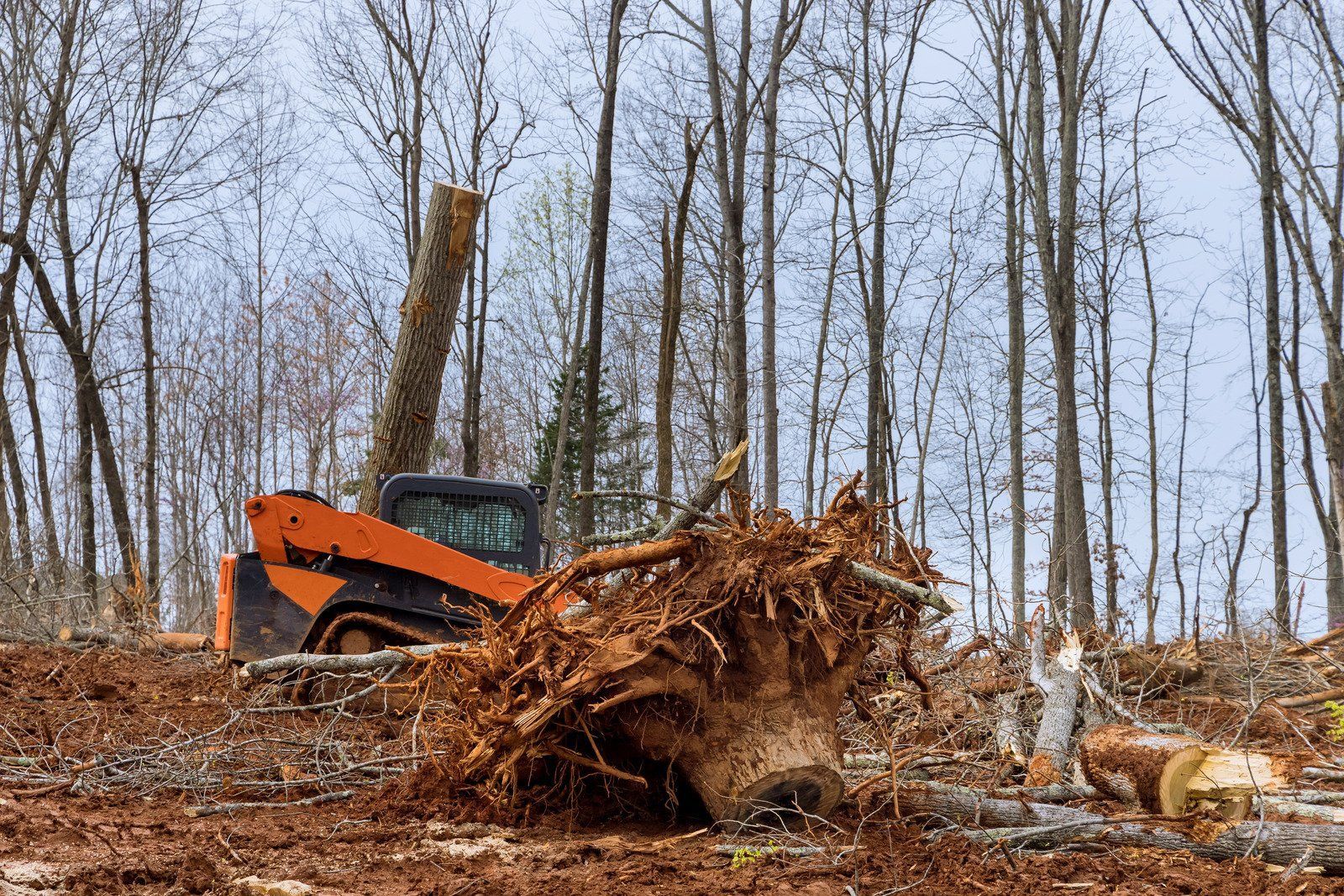
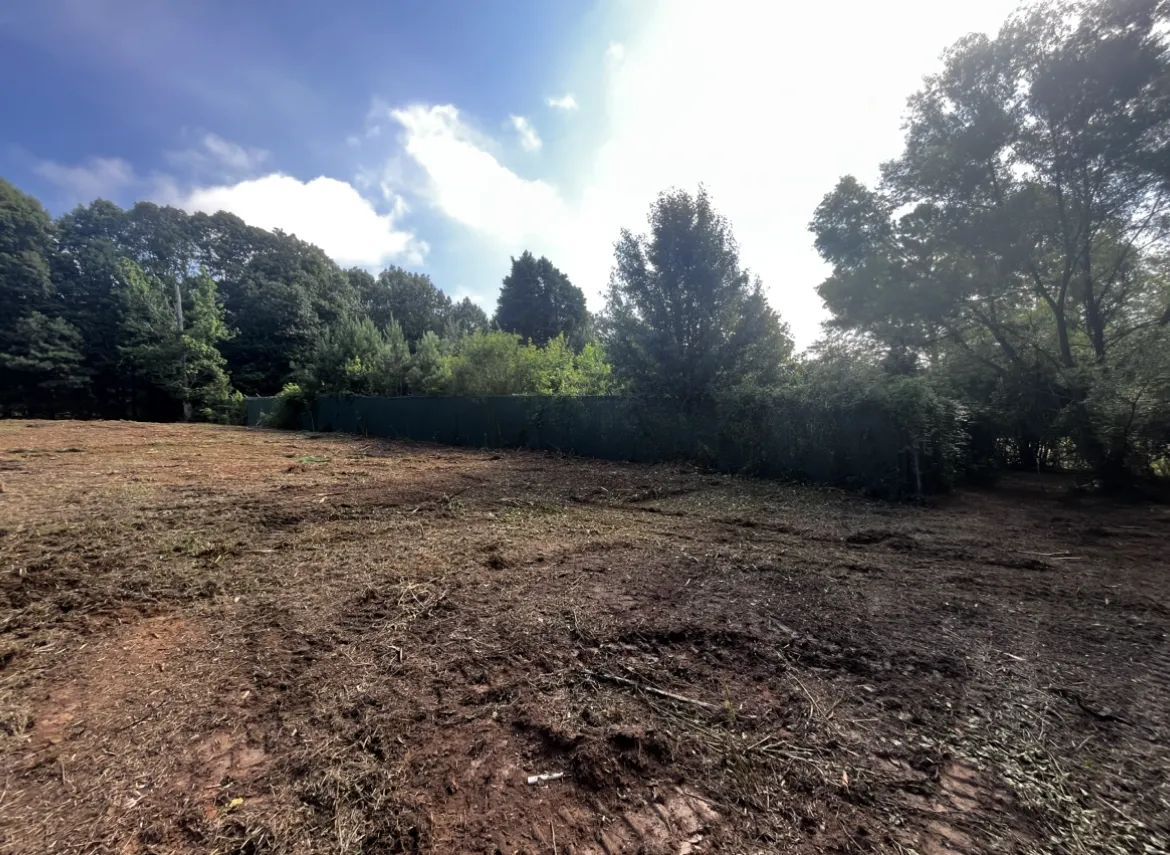
Land clearing involves more than cutting down trees or removing shrubs. It requires strategic planning to preserve beneficial vegetation, prevent erosion, and maintain soil health. Mechanical clearing methods using excavators or mulchers can efficiently remove large obstructions while minimizing environmental disruption.
Selective clearing supports sustainable construction by retaining natural windbreaks and shade zones that improve building performance. Developers often balance efficiency with ecological responsibility to maintain community approval and regulatory compliance.
Demolition of Existing Structures
If existing buildings or foundations occupy the site, safe demolition becomes essential. Contractors must evaluate structural materials, hazardous components such as asbestos, and debris disposal regulations. Recycling concrete or metal not only reduces environmental impact but may also lower material costs for future construction phases.
Managing Debris and Waste Disposal
Proper waste management prevents site contamination and promotes efficient workflow. Organized debris removal allows grading equipment and construction crews to operate safely. Establishing designated disposal zones or recycling partnerships ensures compliance with environmental standards while improving site organization.
3. Grading, Excavation, and Drainage Planning
Importance of Site Grading
Cost and Efficiency
Grading shapes the land to support building foundations, driveways, and landscaping features. Correct grading prevents water pooling near structures and ensures proper load distribution. Laser-guided grading equipment improves accuracy, reducing the risk of uneven surfaces or drainage failures.
For example, commercial parking lot construction often requires precise slope calculations to direct rainwater toward storm drains. Poor grading can lead to flooding, pavement deterioration, and safety hazards for users.
Excavation Techniques and Safety Measures
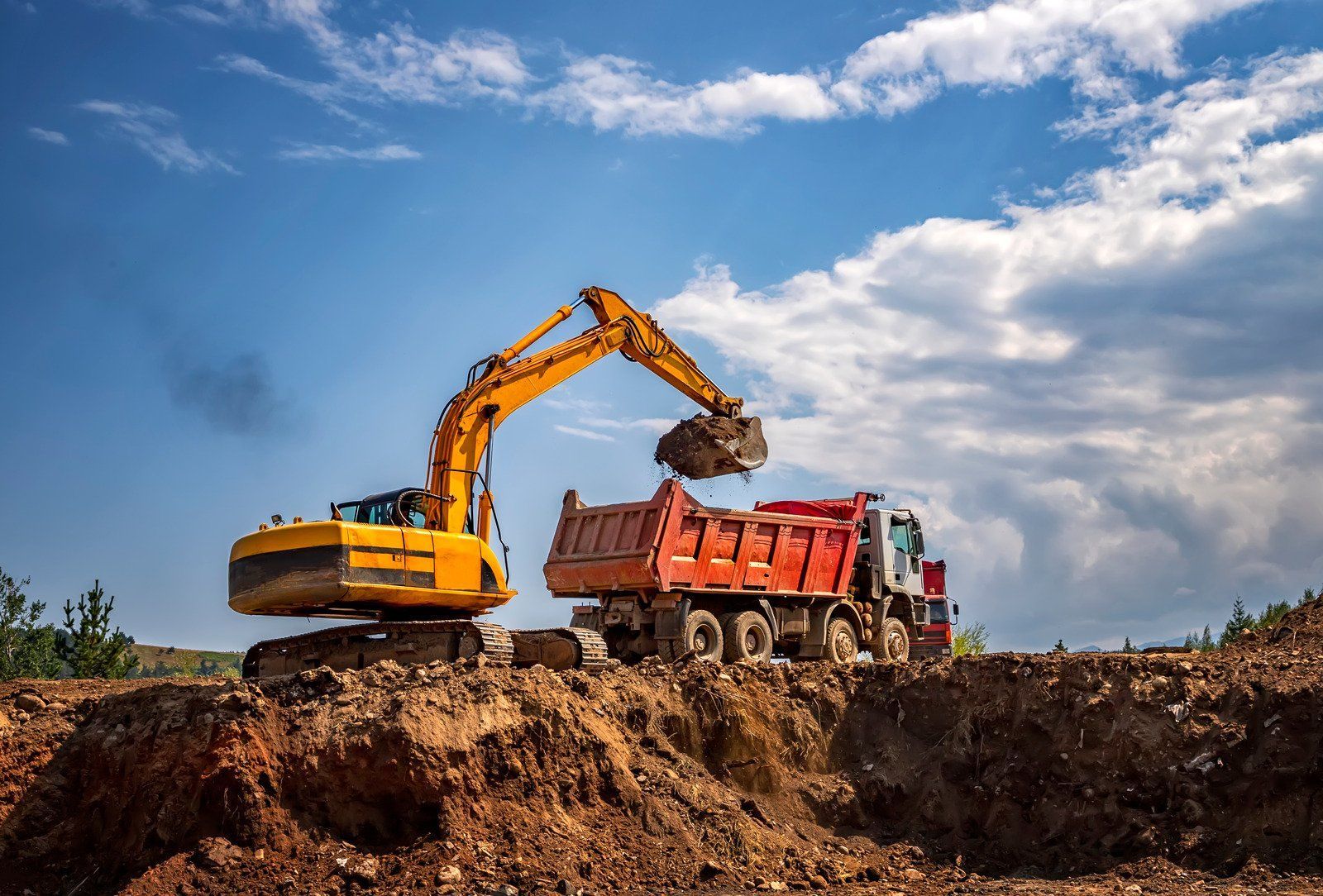
Excavation creates space for foundations, basements, utility trenches, and retaining walls. Contractors must implement safety protocols such as trench shoring and slope stabilization to protect workers and nearby structures.
Choosing the right excavation method depends on soil type, project scale, and environmental conditions. Hydraulic excavation systems, for instance, offer precision near sensitive utility lines, reducing the risk of accidental damage.
Designing Effective Drainage Systems
Stormwater management plays a crucial role in site preparation. Installing drainage channels, retention ponds, or permeable surfaces helps control runoff and protect surrounding properties. Sustainable drainage solutions also support groundwater recharge and reduce urban flooding risks.
4. Utility Access and Infrastructure Preparation
Planning for Essential Services
Before construction begins, the site must accommodate water supply, sewage systems, electrical connections, and communication networks. Coordinating with utility providers ensures timely installation and avoids delays during building phases.
Underground utility mapping prevents accidental line disruptions that could halt construction or create safety hazards. Many projects now use digital mapping systems to visualize infrastructure placement and optimize routing efficiency.
- Cost-Effective: Lower labor, fuel, and hauling expenses.
- Fast Turnaround: Combines multiple steps into one efficient process.
- Versatility: Works on various land types, including steep or rugged terrain.
- Enhanced Aesthetics: Leaves behind uniform mulch that can improve property appearance.
Road Access and Site Logistics
Construction equipment requires reliable access routes for material delivery and workforce mobility. Temporary roads or reinforced entry points help maintain productivity, especially in rural or undeveloped areas.
Logistics planning includes staging areas for materials, equipment storage zones, and traffic management strategies. These considerations improve safety and minimize disruptions to neighboring properties or public roadways.
Preparing Foundations for Future Expansion
Forward-thinking developers often prepare utility systems and site layouts to support future expansions. Installing oversized conduits or reserving land for additional structures can reduce long-term development costs and enhance property value.
5. Soil Stabilization and Compaction Techniques
Achieving Structural Integrity Through Compaction
Compaction increases soil density, improving its ability to support structural loads. Vibratory rollers, plate compactors, and pneumatic equipment help achieve uniform compaction across the site.
Testing methods such as the Proctor test verify whether compaction levels meet engineering specifications. Insufficient compaction can lead to settlement issues, cracking, or uneven flooring once construction is complete.
Stabilization Methods for Challenging Soil Conditions
Certain soil types require chemical stabilization using lime, cement, or fly ash to improve strength and moisture resistance. Mechanical stabilization methods, including geotextile reinforcement, provide additional support for heavy structures.
Infrastructure projects such as highways frequently rely on stabilization techniques to maintain durability under high traffic loads. Applying similar strategies to building sites enhances long-term performance and reduces maintenance needs.
Monitoring Weather and Seasonal Impacts
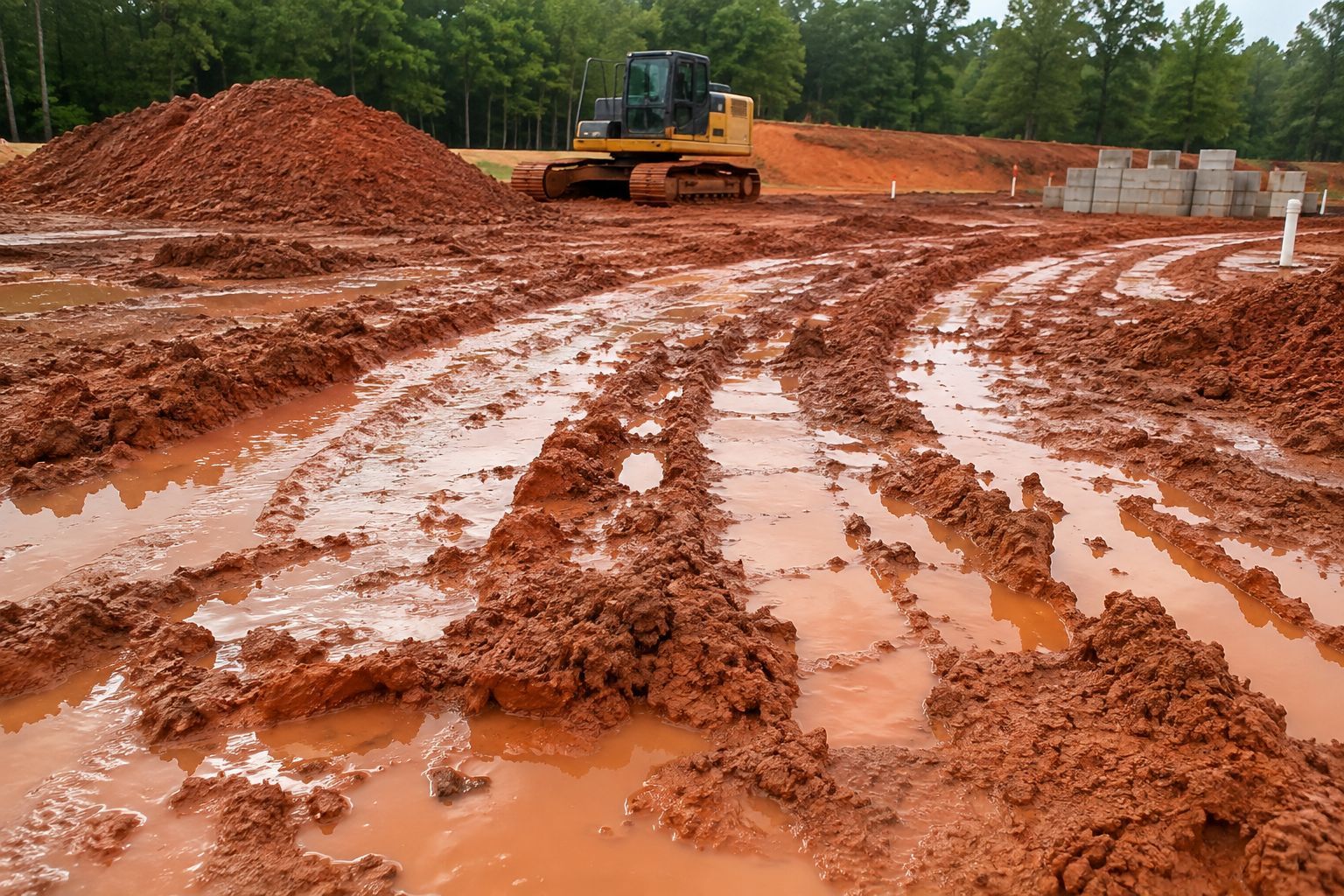
Weather conditions influence soil behavior and construction schedules. Heavy rainfall may delay compaction efforts, while extreme heat can cause rapid moisture evaporation. Proactive planning ensures site preparation activities align with seasonal conditions for optimal results.
6. Final Inspections and Readiness Verification
Conducting Pre-Construction Assessments
Before transitioning to vertical construction, project managers conduct comprehensive inspections to confirm site readiness. These evaluations verify grading accuracy, drainage functionality, utility placement, and soil stability.
Documentation from engineers and surveyors provides assurance that the site meets design specifications and regulatory requirements. Skipping this step can result in structural complications or compliance issues later.
Implementing Risk Management Strategies
Construction inherently involves uncertainty, but structured risk management reduces potential disruptions. Contingency planning for unexpected soil conditions, supply delays, or weather events supports smoother project execution.
Developers who invest in proactive planning often achieve faster timelines and improved budget control. Establishing clear communication channels among contractors, engineers, and stakeholders enhances coordination and accountability.
Transitioning to Construction Phase
Once site preparation is complete, the project moves into foundation installation and structural development. A well-prepared site enables efficient workflow, safer working conditions, and higher construction quality.
Ultimately, thorough land preparation lays the groundwork for successful projects that meet performance expectations and stand the test of time.
Dedicated Construction Site Specialists Ensuring Solid Project Foundations
Preparing land for new construction requires strategic planning, technical expertise, and attention to environmental and regulatory factors. From initial site evaluation and soil testing to grading, drainage design, and infrastructure preparation, each step contributes to building stability and project efficiency. Developers who prioritize structured site preparation reduce the risk of delays, structural issues, and budget overruns.
By implementing best practices such as proper compaction, sustainable clearing methods, and thorough inspections, construction teams create a reliable foundation for long-term success. Land preparation is not simply a preliminary task; it is a decisive investment that influences every stage of development. As construction standards evolve and projects become more complex, adopting a systematic approach to site readiness ensures better outcomes, improved safety, and enhanced property value.
When planning a new construction project, partnering with experienced professionals can make a significant difference in achieving efficient and high-quality site preparation. Georgia Land Pros, based in Gainesville, Georgia, has built a strong reputation over 5 years by helping property owners and developers prepare land for successful construction outcomes. Their team understands the complexities involved in clearing, grading, excavation, and drainage planning, ensuring every project begins with a solid and dependable foundation.
With a commitment to precision and responsible land development, the company emphasizes thorough site assessments and tailored preparation strategies that align with project goals. Clients benefit from streamlined workflows, reduced construction risks, and improved readiness for building phases. By combining practical field experience with modern equipment and planning methods, Georgia Land Pros supports both residential and commercial development needs.
Choosing a knowledgeable site preparation partner helps safeguard investments and accelerates construction timelines. Whether preparing undeveloped land or optimizing an existing site, working with a trusted local specialist provides confidence that the groundwork has been completed with care, expertise, and attention to long-term performance.