Common Excavation Mistakes That Delay Construction Projects
May 7, 2026
Excavation is one of the most critical phases in any construction project, yet it is also one of the most commonly mishandled. When done correctly, it establishes a strong foundation for grading, structural stability, drainage, and overall project efficiency. However, even minor errors during excavation can trigger a chain reaction of delays, cost overruns, safety hazards, and redesigns that affect the entire construction timeline. In today’s fast-paced construction environment, precision and planning are more important than ever before.
We often see that excavation mistakes are not caused by a single issue but by a combination of poor planning, lack of site analysis, and inadequate execution strategies. These mistakes can disrupt workflows, damage underground utilities, and compromise soil integrity, ultimately forcing project stoppages. Understanding these challenges is essential for anyone involved in site preparation, as prevention is always more cost-effective than correction. In this blog, we explore the most common excavation mistakes that delay construction projects and provide actionable insights on how to avoid them for smoother, more efficient project execution.
1. Inadequate Site Assessment and Planning
1.1 Ignoring Soil Conditions and Composition
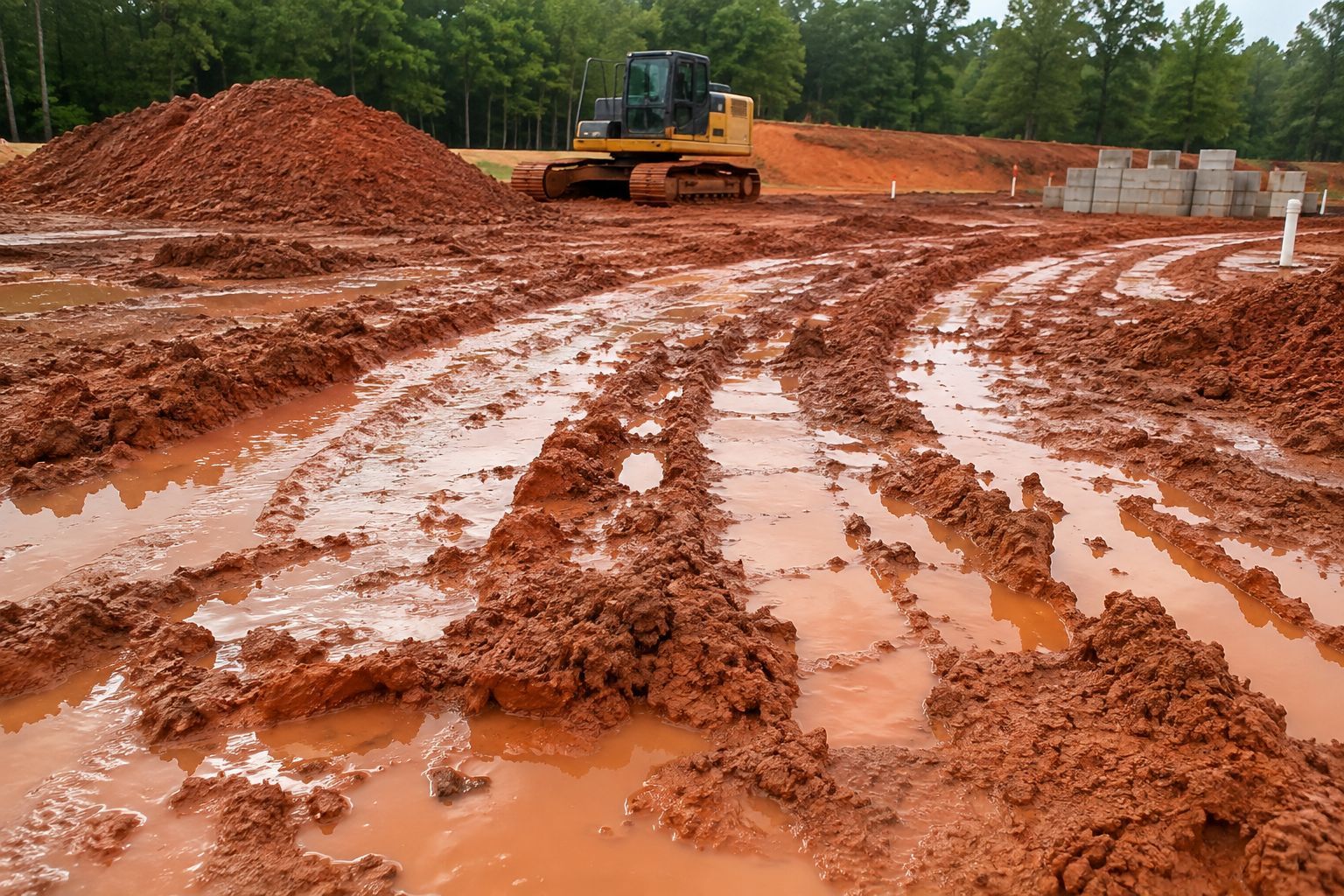
One of the most frequent excavation mistakes is failing to properly analyze soil type before starting work. Clay, sandy, rocky, and loamy soils all behave differently under load and excavation pressure. Without proper testing, unexpected collapses or instability can occur, leading to delays, safety risks, and costly redesigns during construction projects that affect overall site performance and structural reliability significantly overall.
1.2 Poor Project Mapping and Layout Errors
Accurate site mapping ensures that excavation boundaries align with structural requirements. When layouts are rushed or poorly marked, we risk over-excavation or under-excavation, both of which require corrective work that slows down progress significantly and increases project costs. Proper surveying and layout verification are essential to avoid rework, delays, and structural inconsistencies during early construction phases of development projects overall efficiency.
1.3 Best Practice Approach
A detailed geotechnical study and precise digital surveying help reduce uncertainties. Investing time in pre-planning eliminates guesswork and ensures smoother execution from the start of excavation projects. These practices improve accuracy, reduce risks, and support better decision-making on-site, leading to higher efficiency and reduced delays throughout the construction process and long-term project stability and performance outcomes overall project success rates improved.
2. Failure to Identify Underground Utilities
2.1 Hidden Infrastructure Risks
Underground utilities such as water lines, gas pipelines, and electrical cables pose serious risks if not properly identified before excavation begins. Damaging these systems can halt construction immediately and create severe safety hazards for workers and surrounding infrastructure, resulting in costly repairs, legal issues, and significant project delays that impact overall construction timelines and operational efficiency significantly across project phases overall.
2.2 Lack of Utility Mapping
Many delays occur because excavation begins without proper utility mapping or coordination with local authorities. This leads to emergency stoppages and costly repairs when underground services are accidentally damaged during digging operations. Proper documentation, mapping tools, and verification processes are essential to prevent disruptions, ensure safety, and maintain smooth workflow throughout construction projects of all sizes for better overall project outcomes.
2.3 Preventive Strategy
Using detection tools and reviewing utility records before excavation ensures safe digging zones. Clear marking and communication reduce the risk of accidental damage and downtime, helping construction teams maintain efficiency and avoid costly interruptions during project execution. These preventive measures significantly improve safety, coordination, and reliability across all stages of excavation and infrastructure development work overall for sustained project success rates.
3. Poor Equipment Selection and Maintenance
3.1 Using the Wrong Machinery
Selecting equipment that is not suited for soil conditions or project scale leads to inefficiency and delays. For example, using lightweight machinery in rocky terrain slows progress and increases wear and tear on equipment. Proper machinery selection ensures optimal performance, reduces operational costs, and improves overall productivity on excavation sites across different environmental and structural conditions for maximum project efficiency results.
3.2 Equipment Breakdowns on Site
Unexpected machinery failure is a major cause of excavation delays. Poor maintenance routines often result in breakdowns during critical phases of work, halting progress and increasing project costs significantly. Regular servicing, inspections, and timely repairs are essential to maintain equipment reliability, reduce downtime, and ensure smooth and continuous excavation operations on construction sites of all sizes for improved operational continuity performance.
3.3 Operational Efficiency Practices
Regular maintenance schedules, equipment inspections, and matching machinery to terrain conditions significantly improve productivity and reduce downtime. These operational practices ensure better workflow management, extend equipment lifespan, and enhance overall efficiency across excavation projects. Proper planning and consistent monitoring help construction teams achieve higher performance standards and minimize unexpected disruptions during critical stages of work for sustained operational excellence delivery systems.
4. Inaccurate Depth and Grading Execution
4.1 Incorrect Depth Measurement
Excavation depth errors can compromise foundation strength and structural alignment. Even small deviations can require rework, adding time and cost to the project. Accurate measurement techniques, including laser-guided systems and frequent verification, are essential to ensure precision. Maintaining correct depth during excavation is critical for long-term stability, safety, and structural integrity of construction projects overall for reliable engineering project outcomes delivery.
4.2 Improper Slope and Drainage Planning
Incorrect grading often leads to drainage issues, water pooling, or erosion problems. These challenges are usually discovered late, causing major project disruptions and additional costs. Proper slope design and continuous monitoring during excavation help ensure effective water flow, prevent structural damage, and maintain site stability throughout construction activities in varying environmental and soil conditions effectively for improved drainage system performance results.
4.3 Precision Techniques
Laser-guided equipment and continuous site verification help ensure accurate depth and slope consistency. Regular measurement checks during excavation reduce the likelihood of costly corrections. These precision techniques improve overall construction accuracy, minimize errors, and enhance efficiency across excavation projects, ensuring better alignment with engineering specifications and long-term structural performance standards in all development activities overall for enhanced construction quality assurance systems.
5. Poor Soil Handling and Disposal Practices
5.1 Improper Excavated Material Management
Excavated soil must be handled and stored correctly. Poor storage can lead to site congestion, material contamination, or loss of reusable soil. Proper material management includes designated storage zones, organized handling, and reuse strategies that improve efficiency, reduce waste, and maintain smooth workflow during excavation and construction activities across different phases of project execution for sustainable site management practices improvement results.
5.2 Inefficient Hauling and Disposal
Delays often occur when there is no clear plan for transporting or disposing of excess soil. This creates bottlenecks that slow down excavation progress significantly. Efficient hauling schedules, proper logistics coordination, and disposal planning are essential to maintain workflow continuity, reduce downtime, and ensure that excavation activities proceed smoothly without unnecessary interruptions or operational inefficiencies overall for improved project efficiency results.
5.3 Organized Material Flow Strategy
We maintain a structured soil management plan that includes designated storage zones, hauling schedules, and reuse strategies to streamline operations. This organized approach ensures efficient material flow, reduces site congestion, and improves productivity across excavation projects. Proper coordination and planning help construction teams achieve consistent results and maintain operational efficiency throughout all phases of work overall for sustained workflow improvement systems.
6. Lack of Safety Protocols and Workforce Coordination
6.1 Unsafe Working Conditions
Excavation sites are high-risk environments. Ignoring safety protocols increases accidents, which immediately halt project progress and endanger workers. Proper safety procedures, protective equipment, and hazard awareness are essential to maintain safe working conditions, reduce incidents, and ensure uninterrupted construction activity. Strong safety culture significantly improves site reliability and operational performance across all excavation projects overall for enhanced workplace safety standards systems.
6.2 Poor Team Communication
Miscommunication between operators, supervisors, and ground staff often results in operational inefficiencies and mistakes during excavation work. Clear communication channels, regular updates, and coordinated teamwork are essential to prevent errors, improve workflow, and maintain project efficiency. Effective collaboration ensures smoother execution, reduces delays, and enhances overall productivity across all phases of construction and excavation activities overall for better coordination results systems.
6.3 Strengthening Site Safety Systems
Clear safety guidelines, regular briefings, and structured communication channels ensure smooth coordination and minimize disruptions caused by accidents or confusion. These systems help maintain consistent safety standards, reduce risks, and improve overall site performance. Strong safety management practices are essential for protecting workers, ensuring compliance, and sustaining efficient excavation operations across all construction environments overall for continuous safety improvement systems protocols.
Expert Site Preparation Solutions Driving Reliable Outcomes
We deliver dependable excavation solutions built on precision, planning, and field-tested experience. Every project we handle is approached with a strong focus on accuracy, safety, and efficiency to ensure construction timelines remain on track. With a deep understanding of site conditions and excavation requirements, we work to eliminate common delays that often impact project success. Our approach emphasizes careful site evaluation, proper equipment use, and structured execution strategies that reduce risks and improve overall outcomes.
We believe that strong foundations begin with disciplined preparation and expert handling of every excavation phase. By maintaining high operational standards, we help ensure that each site is ready for the next stage of construction without unnecessary setbacks or rework. Our commitment is rooted in delivering consistent results that support long-term structural integrity and project efficiency.
Georgia Land Pros, based in Gainesville, Georgia, brings 5
years of dedicated experience in excavation and site development services. With a reputation for reliability and technical expertise, we continue to support construction projects with solutions designed to improve accuracy, reduce delays, and enhance overall site performance.