Forestry Mulching vs. Traditional Land Clearing: Which Is Right for You?
February 16, 2026
Land clearing is a critical step in preparing property for construction, agriculture, or land management. Selecting the right method can significantly influence both project costs and environmental impact. Traditionally, land clearing has relied on heavy machinery, chainsaws, and manual labor to remove trees, shrubs, and other vegetation. While effective, these methods can be labor-intensive, time-consuming, and potentially harmful to the surrounding ecosystem. Today, property owners and developers are exploring more innovative alternatives, such as forestry mulching, which promises efficiency, environmental preservation, and long-term soil health. Understanding the differences between these approaches is essential for making an informed decision.
Forestry mulching and traditional land clearing each have unique advantages and drawbacks. Forestry mulching uses a specialized machine to grind trees, brush, and vegetation into mulch on-site, reducing the need for hauling debris and minimizing soil disruption. On the other hand, traditional clearing often involves uprooting vegetation, which can lead to soil erosion, higher costs, and extensive cleanup. This blog explores the key differences, benefits, challenges, and practical considerations of both methods, helping landowners, developers, and forestry professionals determine which solution best aligns with their project goals and environmental responsibilities.
Understanding Forestry Mulching
What Is Forestry Mulching?
Forestry mulching is a land clearing method that utilizes a single machine equipped with a mulching head or rotor. This equipment grinds trees, shrubs, brush, and other vegetation directly into mulch, leaving the material on the ground. This process reduces debris, stabilizes soil, and improves the aesthetic and ecological health of the property.
How It Works
The forestry mulcher moves across the land, chewing up trees and brush into fine organic matter. Unlike traditional clearing, which removes everything, mulching selectively manages vegetation while maintaining the natural soil structure. The resulting mulch enriches the soil with nutrients, promotes water retention, and supports future landscaping or agricultural endeavors.
Real-World Applications
Forestry mulching is ideal for residential land preparation, wildfire mitigation, right-of-way clearing, and habitat management. For example, a rural property owner may use mulching to clear overgrown sections while maintaining the integrity of nearby natural areas, avoiding unnecessary disruption of wildlife corridors.
Key Benefits
- Environmental Preservation: Minimal soil disturbance reduces erosion.
- Efficiency: Combines cutting, grinding, and clearing in one step.
- Cost Savings: Reduces hauling and debris disposal costs.
- Soil Health: Organic mulch naturally fertilizes the land.
Traditional Land Clearing Methods
Common Techniques
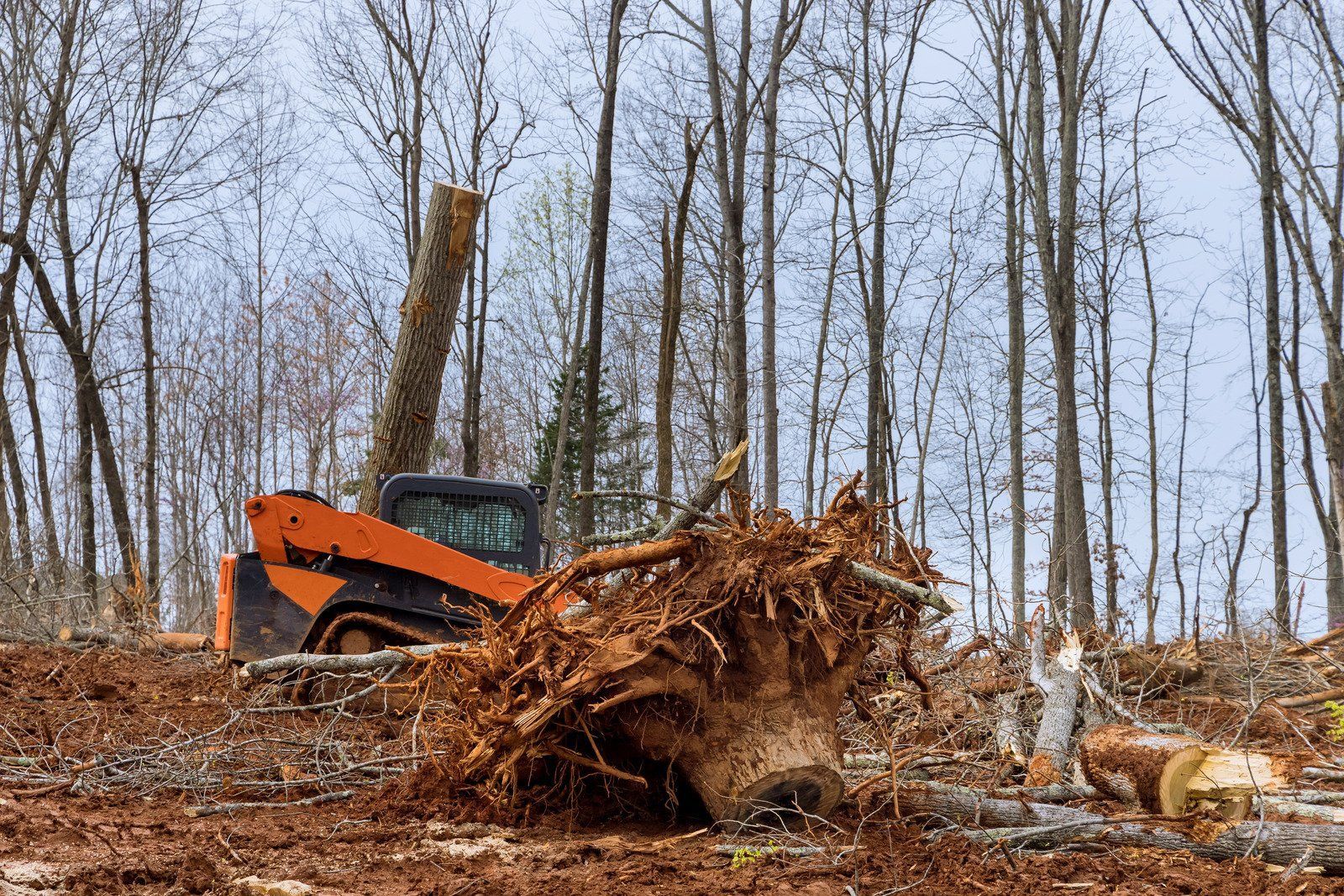
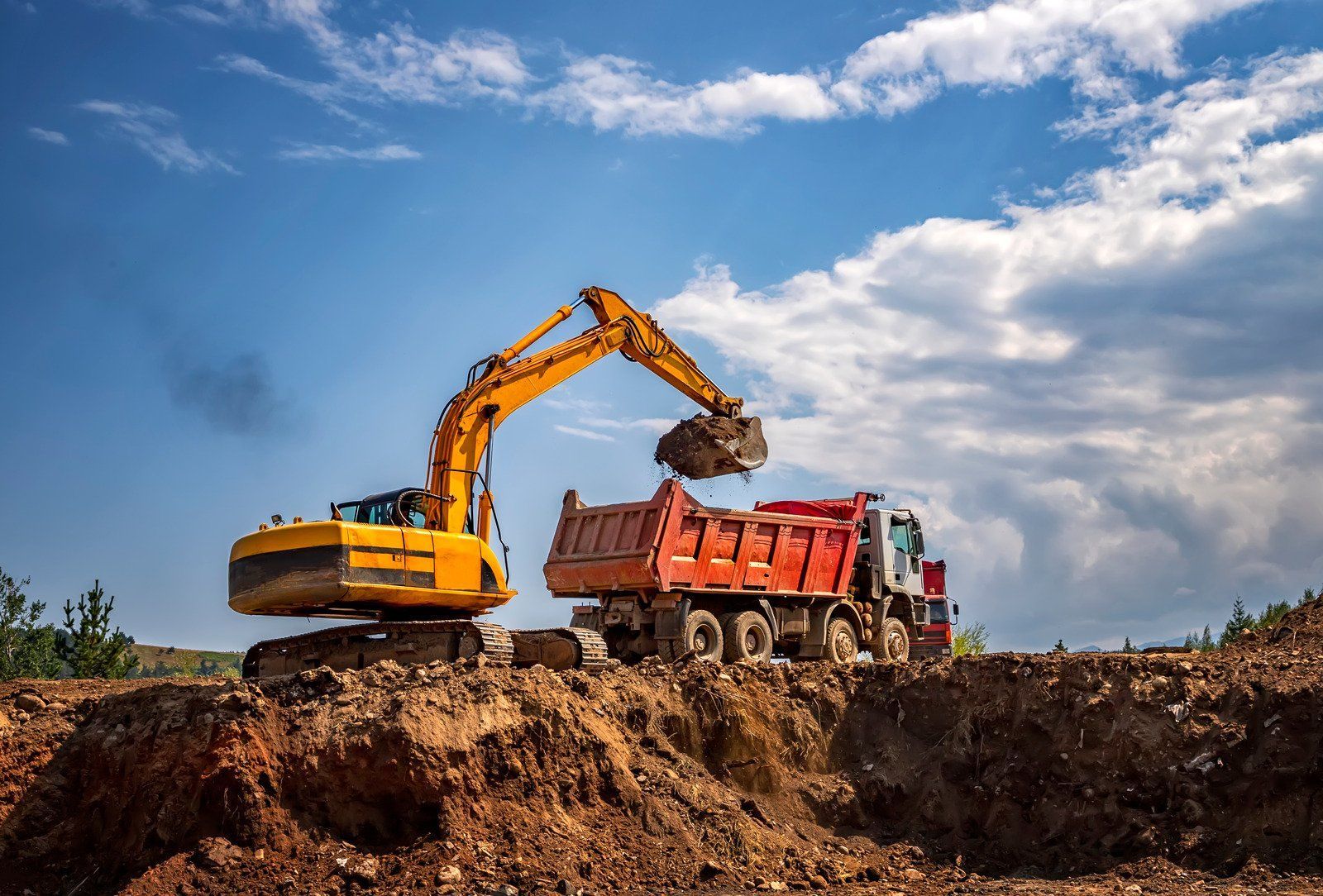
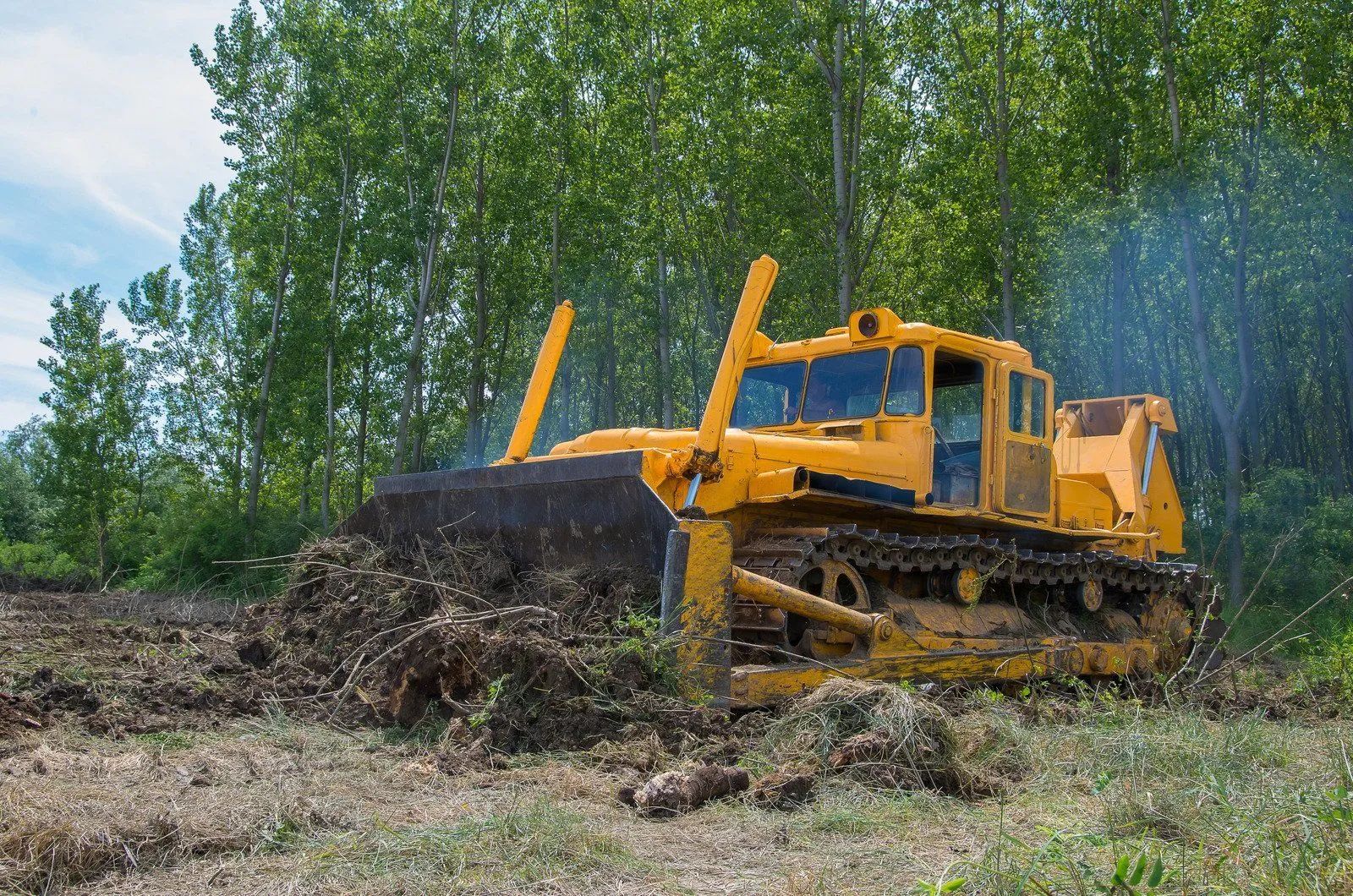
Traditional land clearing generally involves chainsaws, bulldozers, excavators, and manual labor to remove trees, stumps, and vegetation. This method can be highly effective for large-scale projects but often comes with significant logistical and environmental challenges.
Process Overview
- Tree Felling: Trees are cut down manually or with machinery.
- Debris Removal: Branches, stumps, and roots are hauled away or burned.
- Grading and Excavation: Land is leveled for construction or agricultural purposes.
Ideal Scenarios for Traditional Clearing
Traditional clearing is often preferred for large-scale construction projects, commercial developments, or when complete removal of vegetation is necessary. For instance, preparing a site for a commercial warehouse may require uprooting trees and leveling the ground entirely, something forestry mulching cannot fully accomplish.
Challenges of Traditional Land Clearing
- High Costs: Equipment, labor, and debris hauling increase expenses.
- Environmental Impact: Soil compaction and erosion are common concerns.
- Time-Consuming: Multiple steps extend project timelines.
- Safety Risks: Working with heavy machinery and chainsaws increases hazards.
Comparing Forestry Mulching and Traditional Clearing
Environmental Considerations
Forestry mulching maintains soil structure and prevents erosion by leaving ground cover in place. Traditional clearing often exposes soil, increasing the risk of runoff and long-term degradation. Mulching also supports biodiversity by leaving some organic matter for wildlife and microorganisms.
Cost and Efficiency
Mulching typically requires fewer machines, less labor, and less hauling, making it more cost-effective for many projects. Traditional clearing, while sometimes necessary, involves multiple machines, trucks, and workers, driving up expenses. A case study of rural land development showed that forestry mulching reduced project costs by 30% compared to conventional clearing.
Time Management
Forestry mulching can drastically shorten project timelines because cutting, grinding, and clearing happen simultaneously. Traditional methods require sequential steps: felling, hauling, grinding, and grading, which can add weeks or months to a project, depending on the land’s size and terrain.
Soil and Vegetation Impact
Mulching preserves root systems and promotes natural regrowth, whereas traditional clearing removes vegetation entirely, often damaging soil and preventing natural revegetation. Projects aiming to maintain soil fertility or rehabilitate degraded land benefit significantly from mulching techniques.
Benefits and Challenges of Forestry Mulching
Advantages
- Minimal Environmental Disruption: Maintains soil structure and reduces erosion.
- Cost-Effective: Lower labor, fuel, and hauling expenses.
- Fast Turnaround: Combines multiple steps into one efficient process.
- Versatility: Works on various land types, including steep or rugged terrain.
- Enhanced Aesthetics: Leaves behind uniform mulch that can improve property appearance.
Limitations
- Tree Size Limitations: Mulchers may struggle with very large or dense trees.
- Initial Investment: Specialized equipment is costly, though rental or service options mitigate this.
- Debris Management: While mulch is beneficial, excessive accumulation may require spreading or removal for certain projects.
Best Practices for Forestry Mulching
- Conduct a site survey to identify vegetation types and soil conditions.
- Maintain safe operating distances from structures and utility lines.
- Plan mulching in sections to optimize machine efficiency.
- Monitor mulch depth to prevent nutrient overload in the soil.
- Consult with certified operators to ensure compliance with local environmental regulations.
Advantages and Drawbacks of Traditional Land Clearing
Advantages
- Comprehensive Removal: Effective for projects requiring complete vegetation removal.
- Suitable for Large-Scale Construction: Enables grading, excavation, and leveling.
- Proven Techniques: Time-tested methods with wide industry adoption.
- Flexibility: Can handle very large trees, rocks, or other obstacles.
Drawbacks
- Environmental Impact: Exposes soil, increases erosion, and can disrupt ecosystems.
- Higher Costs: Labor-intensive and requires heavy machinery.
- Longer Timelines: Multiple steps extend project completion time.
- Potential Safety Hazards: Chainsaw and heavy machinery operations carry risk.
Best Practices for Traditional Clearing
- Obtain necessary permits for tree removal and land alteration.
- Use erosion control measures such as silt fences or straw bales.
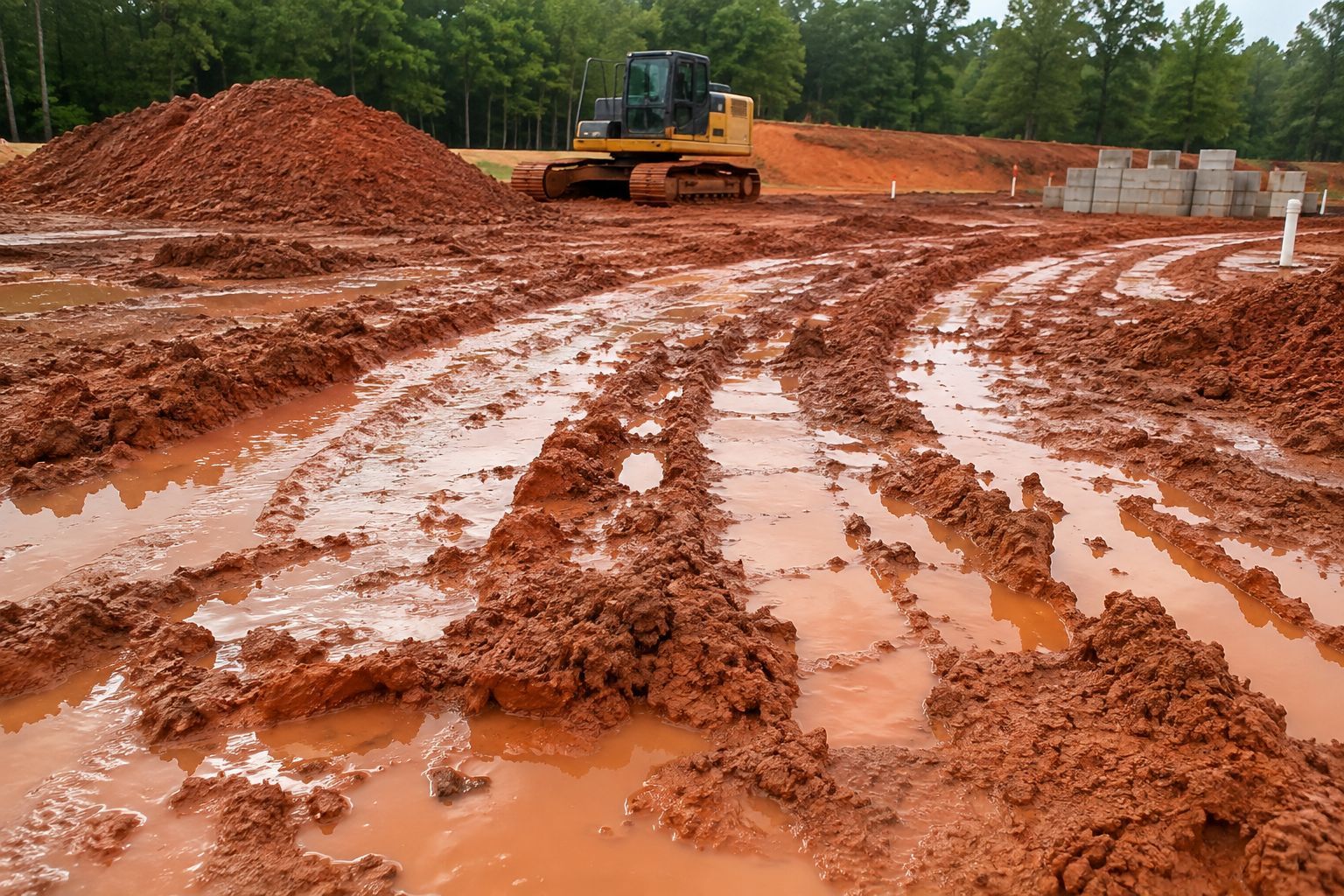
- Schedule work during favorable weather conditions to minimize soil damage.
- Implement proper safety protocols for equipment operation.
- Plan for debris disposal and recycling where possible to reduce environmental impact.
Making the Right Choice for Your Project
Key Considerations
- Project Size and Scope: Small to medium-sized properties often benefit from forestry mulching, while large-scale construction may require traditional clearing.
- Budget Constraints: Forestry mulching is generally more cost-efficient, particularly when debris hauling is minimized.
- Environmental Goals: If maintaining soil health, reducing erosion, and preserving vegetation are priorities, mulching is the preferred option.
- Timeline Requirements: Projects with tight deadlines may find forestry mulching more efficient.
- Vegetation Type: Dense, mature forests may necessitate a hybrid approach using both mulching and selective traditional clearing.
Expert Insights
Land management professionals often recommend an integrated approach. For example, forestry mulching can clear underbrush and small trees efficiently, while traditional methods can be reserved for large or problematic trees. This combination balances cost, efficiency, and environmental impact.
Real-World Scenario
A property developer in northern Georgia needed to clear 20 acres of overgrown land for a residential subdivision. Using traditional clearing for large oaks combined with forestry mulching for smaller vegetation allowed the project to finish two months ahead of schedule while reducing soil disruption and debris disposal costs by 25%.
Planning and Preparation Tips
Site Assessment
Begin with a comprehensive survey to understand topography, vegetation density, soil composition, and environmental constraints. This step is crucial for selecting the most effective clearing method.
Budgeting
Estimate costs for labor, equipment, fuel, and debris management. Factor in potential environmental mitigation measures, such as erosion control or replanting.
Safety Protocols
Ensure all operators are trained and certified. Equip workers with protective gear, and follow safety regulations for both machinery operation and environmental protection.
Permitting and Compliance
Check local regulations regarding tree removal, land clearing, and environmental protection. Non-compliance can lead to fines or project delays.
Choosing a Service Provider
Selecting an experienced contractor with expertise in forestry mulching or traditional land clearing can dramatically impact project efficiency, safety, and environmental outcomes. Look for verified credentials, references, and a history of successful projects.
Strategic Tips for Sustainable Land Clearing
Integrating Mulching and Traditional Methods
Combining methods strategically maximizes efficiency. Use forestry mulching for underbrush and low-value trees, and reserve traditional clearing for large or high-risk vegetation.
Soil Preservation Techniques
- Avoid over-grading to reduce erosion.
- Retain existing vegetation where possible to stabilize slopes.
- Use mulch as a natural protective layer for soil.
Environmental Stewardship
Plan land clearing around wildlife habitats and water sources. Proper timing and careful vegetation removal minimize disruption to local ecosystems.
Long-Term Maintenance
After clearing, establish vegetation buffers, erosion control measures, and soil enhancement practices to maintain land health and prevent degradation.
Making Informed Decisions for Effective Land Management
Georgia Land Pros, based in Gainesville, Georgia, brings 5 years of specialized experience in land clearing and forestry services. Our team understands the unique challenges property owners face when preparing land for construction, agriculture, or land management. Whether you need efficient forestry mulching to maintain soil health and minimize environmental impact or traditional land clearing for large-scale site preparation, we provide tailored solutions that align with your goals. Our commitment to safety, professionalism, and environmental stewardship ensures every project is executed with precision and care.
We leverage modern equipment, industry best practices, and local expertise to deliver cost-effective, timely, and sustainable
land clearing solutions. From initial site assessments and planning to execution and post-clearing land management, we support property owners throughout the entire process. By combining technical skill with environmental awareness, we help clients achieve optimal results while preserving the natural integrity of the land. Trust Georgia Land Pros
to guide your project from vision to completion, providing reliable, expert land clearing services you can count on.