Benefits of Land Grading for Drainage and Foundation Stability
January 13, 2026
Proper land grading is an often-overlooked aspect of property maintenance and construction, yet it plays a critical role in ensuring long-term structural integrity and effective water management. For homeowners, developers, and property managers alike, understanding the importance of land grading is essential not only for aesthetic appeal but also for the safety and longevity of buildings and landscapes. Poor grading can lead to water accumulation, soil erosion, foundation damage, and increased maintenance costs, creating problems that may go unnoticed until they become costly repairs. By implementing professional land grading techniques, property owners can proactively mitigate these risks while enhancing overall property value.
In today’s construction and landscaping industry, land grading has evolved beyond simple leveling tasks to a strategic component of property planning. Effective grading ensures that water flows away from structures, reduces standing water in outdoor spaces, and provides a stable base for foundations. Additionally, well-planned grading contributes to environmental sustainability by managing stormwater runoff and preventing soil degradation. Whether preparing a new construction site, renovating existing property, or maintaining a residential or commercial lot, understanding the benefits of land grading for drainage and foundation stability is crucial. This knowledge empowers property owners to make informed decisions, protect their investments, and optimize the usability and safety of their land.
Understanding Land Grading
What Is Land Grading?
Land grading is the process of leveling or sloping the surface of a property to ensure proper drainage and a stable base for construction. It involves the careful removal, redistribution, or addition of soil to achieve the desired contour and slope. Depending on the purpose, grading may be fine-tuned for residential lawns, commercial buildings, or large-scale development projects. Proper land grading considers soil type, slope requirements, and local water management regulations.
Types of Grading
- Rough Grading: This initial stage focuses on large-scale shaping of the land. It removes major obstructions, levels uneven areas, and establishes a basic slope. Rough grading sets the foundation for further construction or landscaping.
- Fine Grading: Conducted after rough grading, fine grading ensures precise slopes and smooth surfaces. It’s crucial for landscaping, paving, and foundation work, as it helps achieve consistent drainage and prevents water pooling.
- Cut and Fill Grading: This method involves cutting high areas of land and filling low spots to achieve a balanced surface. Cut and fill grading is particularly useful in hilly or uneven terrain.
Why Grading Matters
Effective land grading establishes a strong base for construction and landscaping projects. It prevents water accumulation around structures, reduces the risk of foundation damage, and contributes to a healthier landscape. Ignoring grading can lead to long-term problems such as erosion, flooding, and costly repairs.
Drainage Benefits of Proper Land Grading
Preventing Water Accumulation
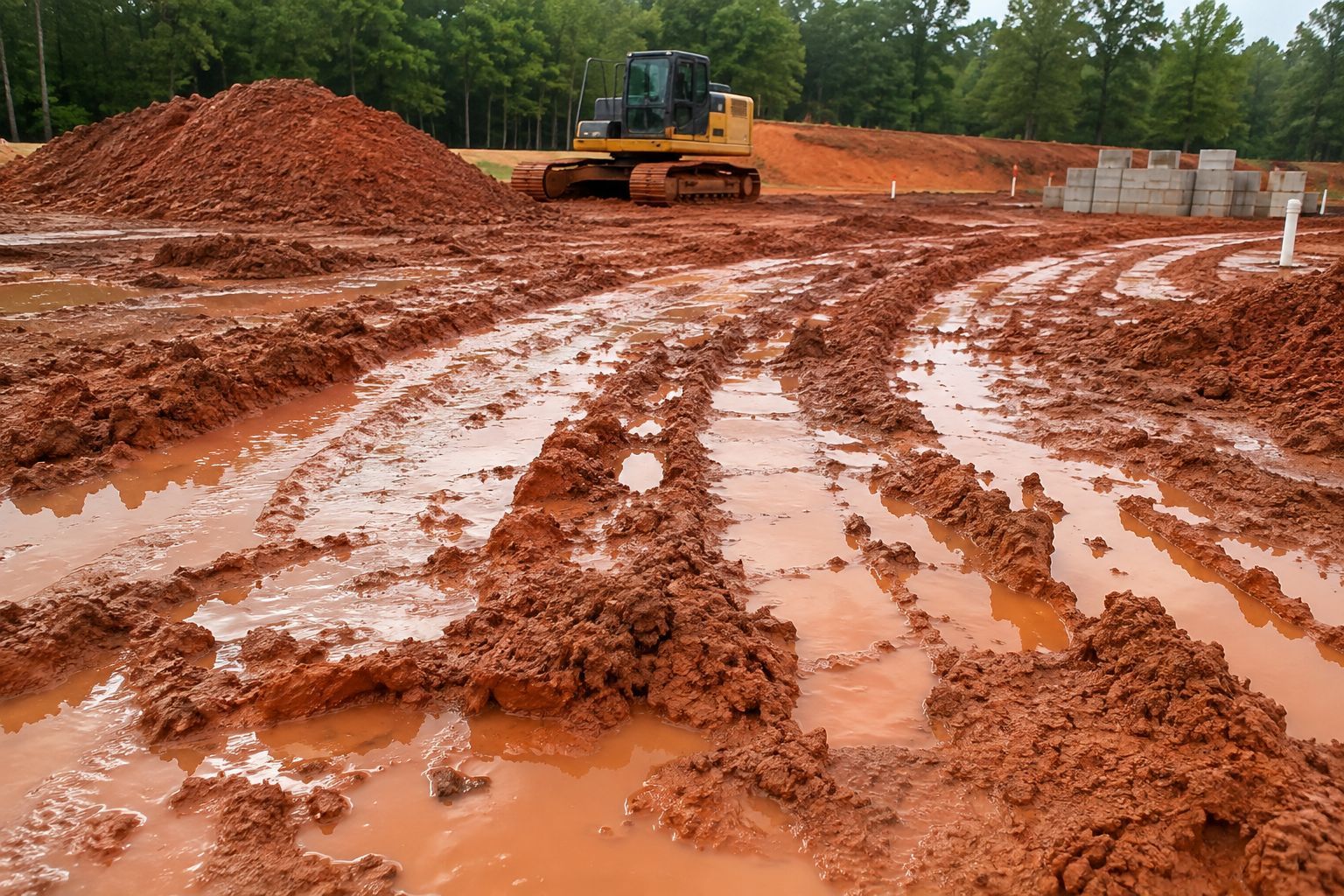
One of the primary benefits of land grading is improved drainage. By strategically sloping the land away from structures, water is directed toward designated drainage areas such as swales, storm drains, or natural watercourses. This prevents water from pooling near foundations, driveways, and walkways, reducing the risk of water damage.
Example: A residential property with a poorly graded lawn may experience water pooling near the basement during heavy rain. Proper grading redirects this water to the street or drainage system, preventing basement flooding and associated repair costs.
Reducing Soil Erosion
Grading also helps stabilize soil and prevent erosion. Uncontrolled water flow can wash away topsoil, damage landscaping, and create uneven terrain. By designing slopes that slow water runoff and encourage infiltration, land grading protects soil health and preserves property aesthetics.
Best Practice: Incorporate gentle slopes (typically 2–5% away from structures) and use grass, mulch, or retaining walls to further reduce erosion on sloped properties.
Managing Stormwater Runoff
In urban and suburban areas, stormwater management is critical. Improper drainage can contribute to local flooding and negatively impact neighboring properties. Grading allows property owners to control runoff, directing it safely to storm drains or retention areas. This proactive approach reduces environmental impact and complies with municipal regulations.
Real-World Scenario:
Commercial developments with large paved areas often implement grading plans that channel stormwater into retention ponds or bioswales, mitigating flooding and protecting the surrounding ecosystem.
Foundation Stability and Longevity
Minimizing Foundation Issues
Water accumulation around a building’s foundation is one of the leading causes of structural problems. Excess moisture can weaken soil, leading to foundation settling, cracking, or shifting. Proper land grading ensures water is channeled away from the foundation, maintaining soil integrity and minimizing movement that can compromise structural stability.
Example: A home built without proper grading may experience foundation cracks within a few years due to water infiltration. Regrading the landscape can prevent further damage and extend the life of the foundation.
Supporting Even Load Distribution
Beyond drainage, grading provides a stable and even base for foundations. Uneven or poorly compacted soil can create stress points, leading to structural damage over time. By preparing a graded surface, contractors can ensure that foundations are uniformly supported, reducing long-term maintenance and repair costs.
Expert Insight: Structural engineers recommend a combination of proper grading and soil compaction before pouring concrete foundations to ensure optimal load-bearing capacity.
Preventing Basement and Crawl Space Issues
Basements and crawl spaces are particularly vulnerable to water infiltration. Grading reduces the risk of leaks, mold growth, and humidity-related damage. This proactive approach safeguards interior spaces and contributes to healthier living conditions.
Landscaping and Property Value Advantages
Enhancing Curb Appeal
Properly graded land not only supports structural stability but also enhances landscaping and visual appeal. Smooth, level surfaces and well-designed slopes create aesthetically pleasing outdoor spaces that are easier to maintain. This can include lawns, gardens, walkways, and driveways.
Example: A home with a graded front yard ensures that rainwater flows away from flower beds and walkways, preserving plant health and reducing maintenance efforts.
Facilitating Efficient Irrigation
Grading can optimize irrigation systems by ensuring water flows evenly across the landscape. Low areas can be addressed during grading to prevent waterlogging, while higher areas receive adequate moisture. This balance promotes healthy turf and garden growth while conserving water.
Best Practice: Combine grading with smart irrigation planning to achieve uniform water distribution and reduce wastage.
Increasing Property Value
Properties with well-maintained, properly graded land are more attractive to buyers and investors. Drainage issues, erosion, and foundation instability are red flags that can lower property value. By investing in grading, property owners enhance long-term value and appeal.
Challenges and Considerations in Land Grading
Understanding Soil Types
Different soils react differently to grading. Clay, sandy, and loamy soils each require unique approaches to ensure proper compaction, slope, and drainage. Misjudging soil characteristics can lead to uneven settling or water infiltration issues.
Expert Tip: Conduct a soil analysis before grading to determine the best approach and prevent future problems.
Managing Slopes and Elevation
Creating the right slope is crucial. Excessive slope can cause rapid water runoff, erosion, and landscape damage, while insufficient slope may lead to standing water and foundation risks. Careful planning and precision equipment are necessary to achieve optimal results.
Regulatory and Environmental Considerations
Certain areas may have local codes and environmental regulations regarding grading, particularly for large-scale developments or properties near waterways. Compliance ensures legal adherence and protects the surrounding environment.
Example: Some municipalities require erosion control measures, sediment barriers, or stormwater retention systems during grading projects.
Cost and Equipment Requirements
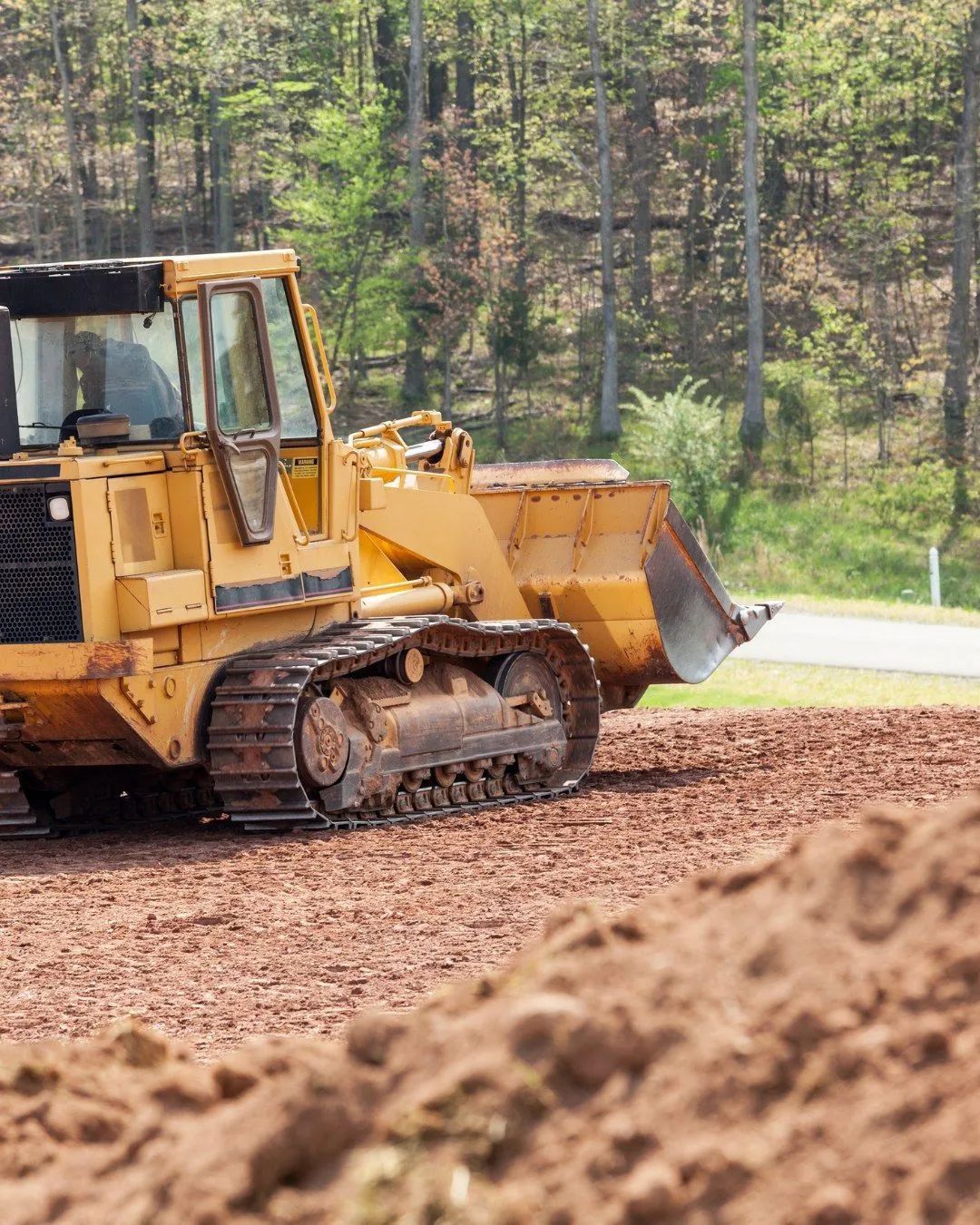
Land grading requires specialized equipment, such as bulldozers, graders, and compactors. The cost and logistics of deploying these machines can vary based on property size, terrain complexity, and project scope. Planning and budgeting are critical to ensure efficient execution.
Best Practices for Effective Land Grading
Planning and Site Assessment
Before any grading begins, assess the property’s topography, drainage patterns, soil type, and intended construction or landscaping features. A thorough site evaluation ensures that grading decisions are well-informed and effective.
Actionable Tip: Create a topographical map highlighting slopes, high and low points, and water flow paths.
Implementing Proper Slope and Drainage Design
Aim for a minimum slope of 2% away from structures, equivalent to roughly 1/4 inch per foot. Design swales, berms, or retention areas to manage excess water and promote natural drainage.
Soil Compaction and Stabilization
After grading, compact the soil to reduce settling and improve foundation support. Stabilizing soils with gravel, geotextiles, or other materials can further enhance durability, particularly in areas with loose or sandy soil.
Regular Maintenance
Even after professional grading, ongoing property maintenance is important. Inspect drainage channels, slopes, and retaining walls periodically to ensure they function correctly. Address any erosion, sediment buildup, or standing water promptly.
Real-World Tip: Seasonal inspections and minor adjustments can prevent costly foundation repairs and landscape damage over time.
Hiring Professionals
While small grading tasks may be manageable for some homeowners, complex projects benefit from experienced contractors. Professional graders have the equipment, expertise, and technical knowledge to deliver precise slopes, proper drainage, and long-lasting results.
Actionable Insights to Safeguard Your Property Effectively
Effective land grading is a cornerstone of property management, offering critical benefits for drainage, foundation stability, and overall landscape health. By establishing proper slopes and controlling water flow, grading prevents water accumulation, soil erosion, and structural damage. It also supports aesthetic landscaping, efficient irrigation, and long-term property value. Ignoring grading can result in costly repairs, compromised safety, and reduced usability of outdoor spaces, highlighting the importance of strategic planning and professional execution.
For property owners in Gainesville, Georgia, Georgia Land Pros
provides expert land grading services with a focus on drainage and foundation stability. With 5
years of hands-on experience, our team combines technical knowledge with precision equipment to ensure your property is safe, functional, and visually appealing. We assess soil conditions, design optimal slopes, and implement grading solutions tailored to each site. By choosing us, you invest in professional expertise, reliable service, and long-lasting results that protect your property and enhance its value.